EN
UA


Since the company’s founding 20 years ago, DTEK has grown into a national energy leader. Today we are transforming into a pan-European clean energy business.


Our businesses generate electricity at wind, solar and thermal power plants, distribute and supply electricity to end consumers, extract natural gas and mine coal, trade energy resources on Ukrainian and foreign markets, and provide domestic and commercial energy services.
.png_230_orig_resized_500_280_2.webp)
The green transition is profoundly transforming the global energy landscape, and DTEK is embracing this revolution.

DTEK is investing heavily in implementing innovative technologies, establishing new businesses, shaping new capacities, and enhancing the production process.

The latest company updates, press releases, and news, alongside expert insights from DTEK’s leadership.

A career at DTEK means playing an integral role in driving innovative changes and developments in Ukraine’s energy sector.

Hybrid renewable systems: combining multiple clean energy sources
19 May 2025, Ukraine
Copy link
Copied!

Subscribe to our news

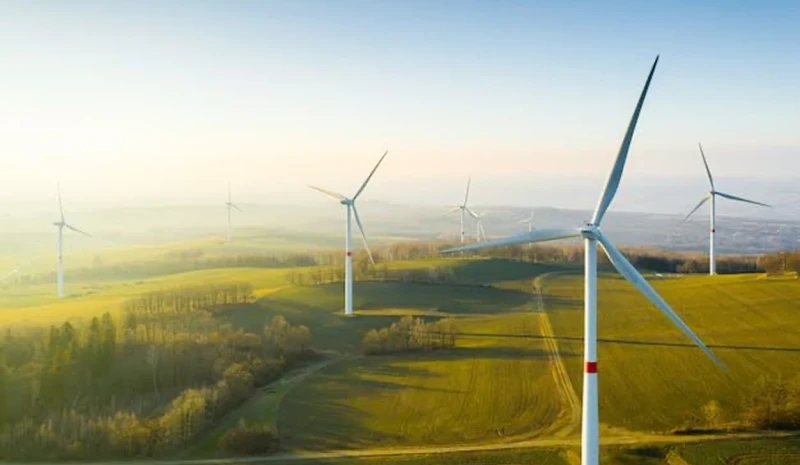
Hybrid renewable systems: combining multiple clean energy sources
Copy link
Copied!
Subscribe to our news
The ecological situation on our planet is getting worse by the minute. Yet, we can help our environment by using green fuel instead of fossil fuels — and renewable energy hybrid systems offer a stable and effective way to do so. In this article, we will explain how they work, their ultimate benefits, and more.
What are hybrid renewable energy systems?
A basic hybrid renewable energy system creates a perfect synergy between wind, solar, tidal, and other sources combined with storage. As the interest in renewable energy sources grows, people explore more and more different combinations. For instance, you can see solar panels on rooftops combined with storage batteries.
How do hybrid renewable systems work?
If you are wondering, "What is hybrid system in renewable energy?", the main idea behind them is to utilise both sources and capture technologies for their advantages and minimise possible disadvantages. The system could include:
- solar panels;
- wind turbines;
- geothermal systems;
- hydroelectric plants;
- tidal systems.
All energy is converted into electricity. Then, the excess is stored in batteries for future use.
Why hybrid renewable systems matter?
There are many advantages of hybrid renewable energy systems for humanity. They help us integrate green power and stop relying on fossil fuels. This matters in the long term, where we are trying to utilise smart power grids and reach the net-zero goal. This means electricity grid and fuel enhancements and a brighter, more sustainable future.
Common types of hybrid renewable systems
There are several hybrid renewable energy approaches. Some of them have already been applied in real-life conditions, while others are still being explored. Let’s look into each one.
Solar-wind hybrid systems
The solar-wind is one of the first types of hybrid renewable energy systems people have implemented. Solar panels and wind turbines capture two types of power, depending on the weather, and merge them for uninterrupted electricity flow.
Hydro-solar hybrid systems
Solar photovoltaic panels can also work in tandem with hydroelectric plants. Either a natural water source or a dam constructed by hand can be used in the system. In that case, the technology will capture solar power and the kinetic power of the water flow. Then, a unified system will deliver the combined power into the grid.
Hydro-wind hybrid systems
Since every hybrid system in renewable energy is used for stable power generation, merging hydroelectric systems and wind turbines offers the needed reliability. When possible, the system will capture the kinetic power of the wind. If it’s not enough for a stable electricity flow, the hydroelectric plant will supplement it with hydropower.
Solar-geothermal hybrid systems
Geothermal and solar power go hand in hand. When it’s cool, a geothermal system works best. When it’s hot and sunny, the solar panels capture the most power. Intertwining the two helps mitigate the impact of potential weather pattern changes.
Wind-tidal Hybrid systems
Wind-tidal systems can become another great offshore solution for individuals, communities, and businesses around the world. Similarly to hydro-wind systems, it could draw energy from wind turbines when possible. The tidal system is a reliable backup, as the tidal resource is predictable and constant.
Other hybrid renewable systems
Not every hybrid system in renewable energy is implemented in real-life conditions. Systems like wind-geothermal are still being explored. Like others, it could be extremely valuable and effective in certain regions and could improve the performance of both green sources.
Advantages of hybrid renewable systems
The establishment of merged renewable energy systems around the world can bring us many benefits. Below, we will delve into each one in terms of finances, sustainability, and adoption.
Increased energy reliability
These systems propose ultimate resilience and reliability. By merging two or more energy sources, we receive a constant power supply, regardless of the weather or climate. That means minimising blackouts, harnessing stored energy during crises, and going completely off-grid without interruptions.
Better utilisation of renewable resources
Renewable resources are abundant. Their never-ending nature promises a consistent energy supply we could harness and store for future use. This effective utilisation promises a great energy future for all communities around the world.
Reduced environmental impact
When it comes to environmental benefits, these renewable energy systems are game-changers. They do not use fossil fuels, do not produce greenhouse gas emissions, and overall reduce the carbon footprint.
Applications and future of hybrid renewable systems
There are quite a few real-life examples of this technology. In Hawaii, solar power is collected in batteries to power remote parts of the region. In Chile, solar-wind-battery farms provide electricity to local cities and mines. Iceland generates geothermal and hydropower energies, which are combined to supply the country.
In the future, hybrid renewable energy sources will be utilised even more. The awareness of green energy will drive countries to adopt the technology more widely.
Frequently asked questions
- How do hybrid systems compare to single-energy sources?
Single energy sources are not always stable. Hybrid systems, however, can provide a reliable and stable source of power, regardless of the weather or climate.
- What are the best use cases for hybrid renewable systems?
These systems can be effectively used anywhere. The best use cases, though, are remote off-grid locations, small eco-friendly communities, and others.
- Can hybrid systems work off-grid?
Yes, they can work off-grid. Most of the time, they are designed for a constant energy supply without a grid connection.


DTEK Group is the largest private investor in Ukraine’s energy sector, with 55,000 employees and over €12 billion of capital invested since 2005.
Our businesses generate electricity at wind, solar and thermal power plants; distribute and supply power to end consumers; extract natural gas and coal; trade energy resources on Ukrainian and foreign markets; and provide domestic and commercial energy services.
Over the last 20 years, DTEK has grown into a national energy leader and is today transforming into a pan-European clean energy business.
Since the full-scale invasion of Ukraine in 2022, DTEK Group has restored power to millions of consumers across regions affected by hostilities.
DTEK Group is 100% owned by SCM Holdings. The ultimate beneficiary and sole shareholder is Rinat Akhmetov, a businessman and philanthropist.
All news
All news

20 October 2026
Five DTEK facilities hit in one day as russian attacks target power distribution ...
16 October 2026
DTEK energy facility in Odesa region damaged in overnight russian attack

12 October 2026
DTEK and Shakhtar launch Champions League campaign to drive investment in Ukraine
09 October 2026
russian drones hit two DTEK power sites in eastern Ukraine within 10 hours
09 October 2026
DTEK Group | 2026 September highlights
02 October 2026
US-backed investment fund introduces financing for DTEK’s landmark battery ...

