EN
UA


.png_230_orig_resized_500_280_2.webp)


Sustainability in Action
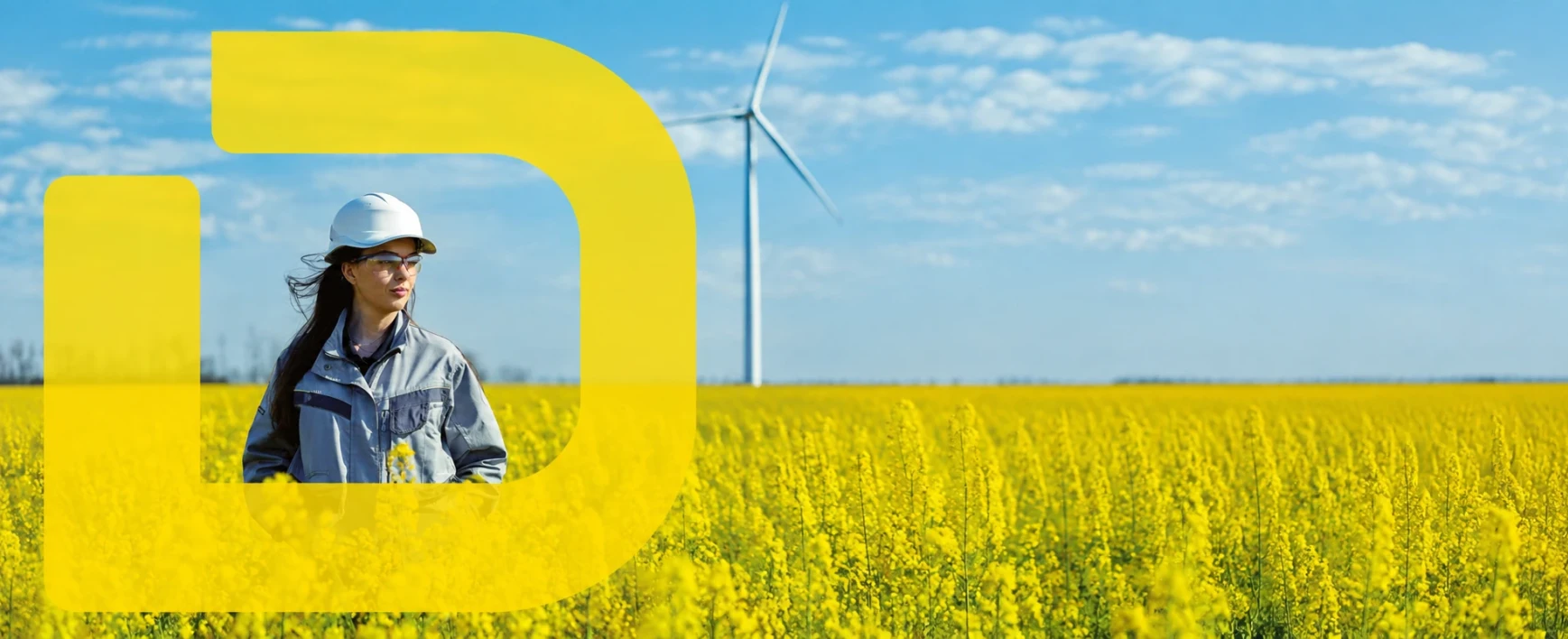
Operating amid war and complexity
Our sustainability approach reflects our context. It is designed to be both realistic and responsible: prioritising energy security and system resilience today, while continuing to progress towards decarbonisation and long-term value creation.
With this in mind, our work at DTEK is guided by the following factors:
As the situation evolves, we regularly assess the impact these factors have and will review and adapt our approach should any material changes occur.
- The condition of our assets
- The stability and needs of Ukraine’s energy system
- The national regulatory and policy framework
- The security environment and related guarantees
As the situation evolves, we regularly assess the impact these factors have and will review and adapt our approach should any material changes occur.
Energy Transition Plan
Find out more

DTEK’s energy transition is about transforming how we generate, distribute and supply energy in the future – while continuing to support Ukraine’s energy security today. Our approach reflects the realities of operating in a country at war: balancing near-term system resilience with a long-term shift away from high carbon activities.
Our Energy Transition Plan sets out a pathway to progressively reduce emissions, phase out coal and develop lower carbon energy solutions. The Plan is guided by international climate standards and is grounded in a realistic, responsible approach for our business and the communities that depend on us.
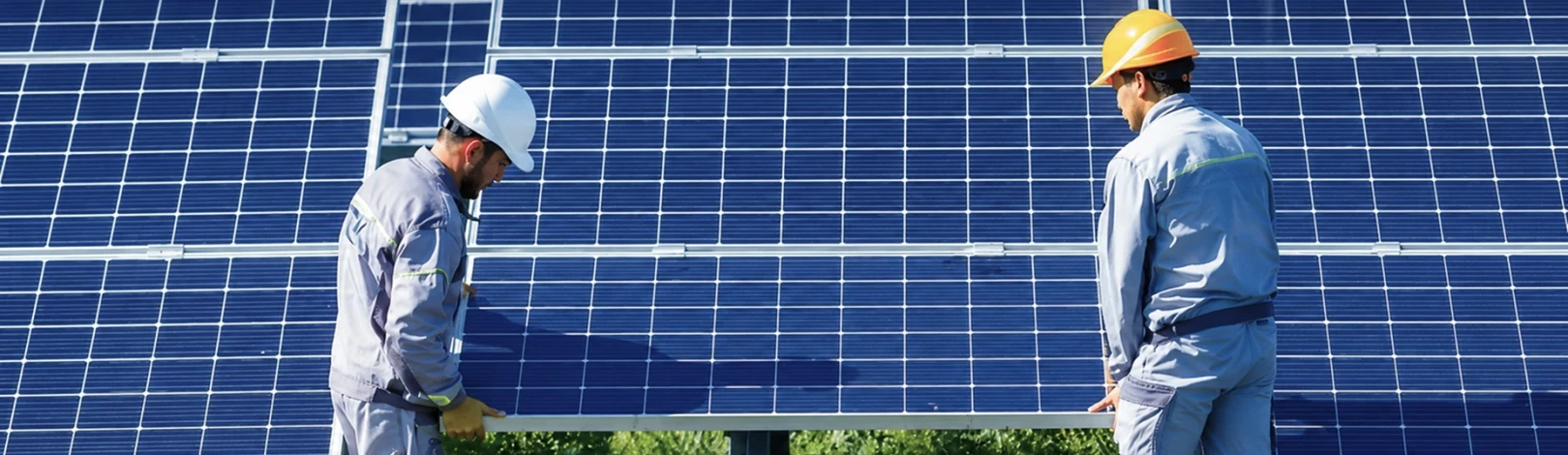
“DTEK is not waiting for the war to end before building a more secure future. We are investing in wind power, battery storage, distributed generation and smart grids today, while continuing to maintain critical supply across the country.”
Read the full CEO statement
Maxim Timchenko
Chief Executive Officer (CEO)
“While the context in which we operate remains uncertain, DTEK’s direction is clear. Through disciplined delivery of our Sustainability Strategy and Energy Transition Plan, we are building the foundations for a more secure, resilient and lower-carbon energy system for Ukraine.”
Read the full CSO statement

Jeff Oatham
Chief Sustainability Officer (CSO)
Our environmental action
Find out more
As the largest private energy company in Ukraine and the operator of most of the country’s coal-fired power stations, DTEK has a central role to play in supporting this transition and helping the country achieve its climate ambitions.
The war has underscored the need for an energy system that is more resilient and secure, as well as cleaner. This requires us to accelerate the development of decentralised generation, renewables and modern energy technologies that can strengthen the resilience of Ukraine’s energy system now and in the future.
Our social action
Find out more
DTEK’s 55,000 people are our greatest strength. Every day, employees across the Group demonstrate exceptional courage, professionalism and commitment while working under wartime conditions. Their contribution is central to our success.
Supporting them is both a responsibility and a strategic priority to maintain a stable, motivated and productive organisation. This is especially important in the current context, as Ukraine continues to face labour shortages caused by war‑related mobilisation and migration.
Our governance action
Find out more
Strong governance and robust compliance are the foundation of DTEK’s approach to business conduct. Operating in a complex and high-risk environment, we depend on clear ethical standards, transparent decision-making and effective internal controls to protect our business, our people and our shareholders.
Our corporate governance system provides structured oversight of all critical functions through the Supervisory and Management Boards and their Committees.

