EN
UA
Home page Track storks

Track Storks A great journey we can see for the first time

Track storks

"White storks are an important part of Ukraine’s natural and cultural heritage. Track the Storks will help turn scientific research into practical decisions that reduce risks to wildlife, support more responsible reconstruction and improve the planning and management of energy infrastructure."

Track storks
10
Birds
24/7
Monitoring
km route
Learn about the project
Track storks
Where the great journey begins
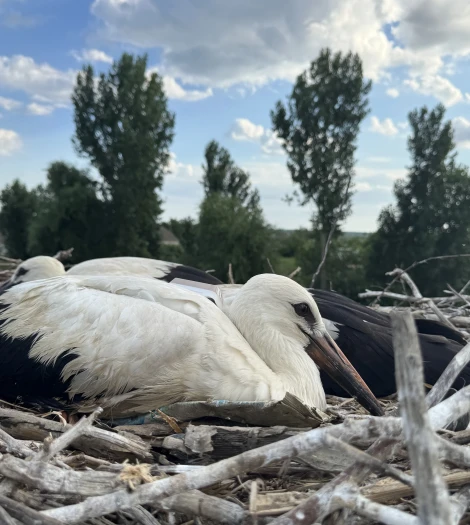
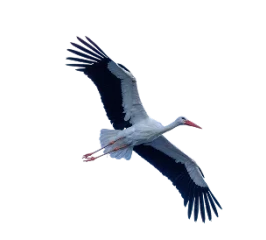
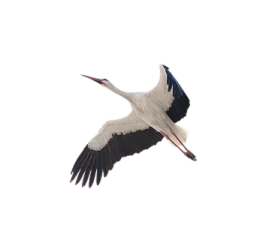
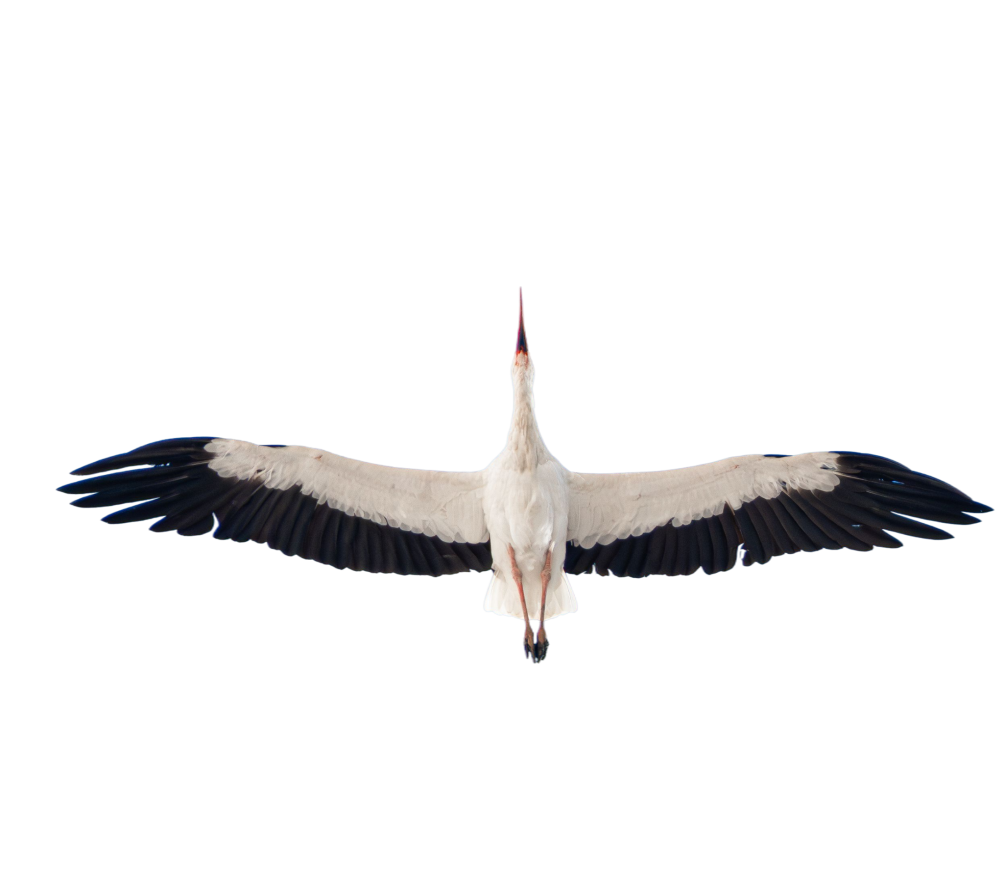
Every year, white storks leave Ukraine and set off for their wintering grounds in Africa. They cover thousands of kilometres, crossing borders, seas, mountain ranges and deserts, before returning to their nesting grounds in spring. 


While the broad migration routes of white storks are well understood, there are still gaps in our knowledge of how individual birds travel, their precise routes and where they stop to rest and feed, which territories they use most often, how they change their route in response to weather, climate conditions or human activity, and in which areas they face the greatest risks.

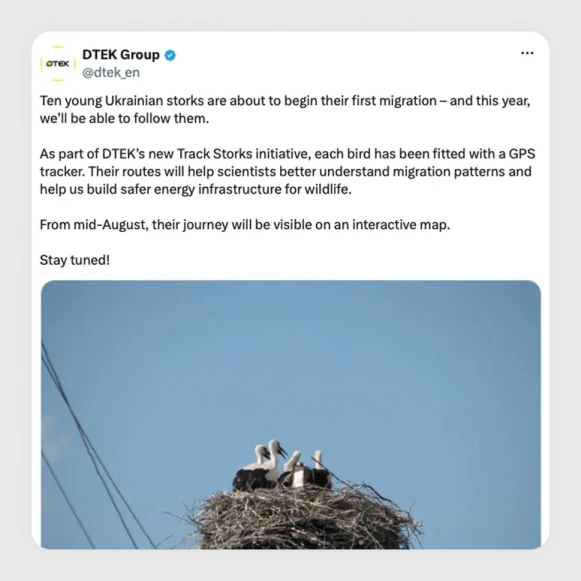
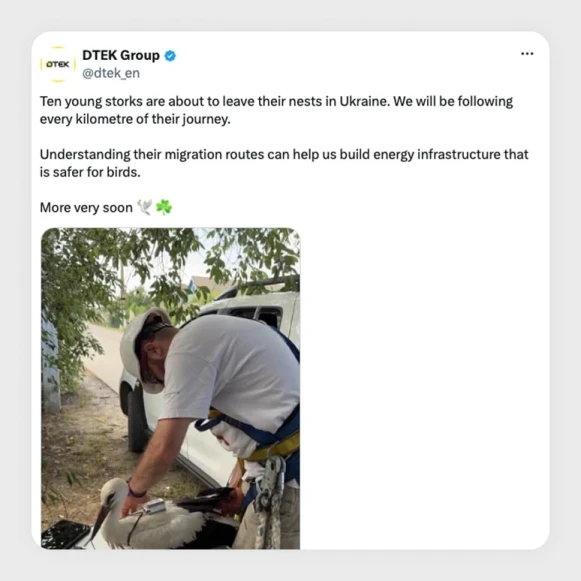
To this end, as part of the “Track Storks” project, ten young birds have been fitted with lightweight GPS trackers. The devices record their location and transmit data that ornithologists will analyse throughout the migration cycle.

Follow the storks
“Track Storks” is a scientific and environmental project by DTEK

The project combines GPS technology with the expertise of ornithologists and the practical needs of modern energy to better understand stork migration.

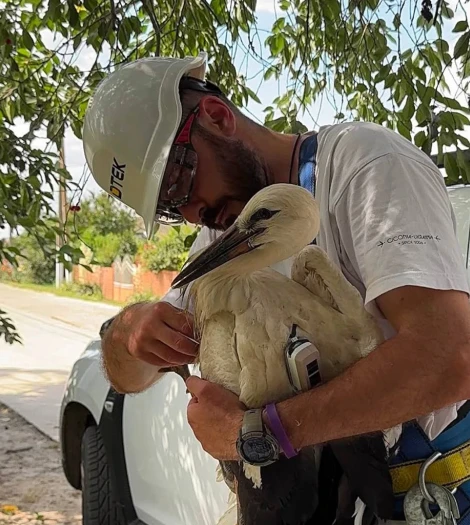
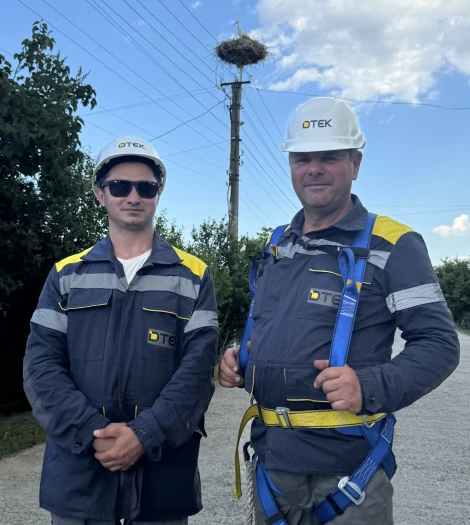
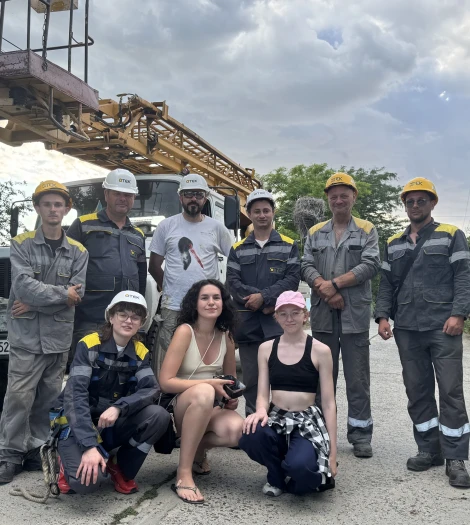
In summer of 2026, DTEK and Ukrainian ornithologists fitted ten young white storks in the Odesa and Dnipropetrovsk regions with GPS trackers.

Now, for the first time in their lives, these young birds are setting out on their migration from Ukraine towards their wintering grounds in Africa – and we can follow their journey.

See the routes they take, how far they travel, where they stop and what natural and infrastructure-related risks they encounter along the way. 

THE VALUE OF THE PROJECT
Why it matters

GPS data helps ornithologists study bird behaviour more precisely — migration direction and speed, stopover sites and wintering grounds.

Unlike isolated visual observations, trackers make it possible to follow one bird’s route over an extended period and analyse how it is affected by natural and human-made factors.

Information about migration corridors and key stopover sites helps identify areas that require special attention and provides a better understanding of the risks facing migrating birds.

This creates a foundation for conservation decisions based on real data.

Bird migration routes partly overlap with energy infrastructure.

Understanding these routes can help energy companies identify potential risk areas more precisely, plan the installation of bird-protection devices and take wildlife needs into account when modernising and developing grids.

Track storks
Track storks
Track storks
How “Track Storks” works
Step 1

Fitting GPS trackers

Ten young storks in the Odesa and Dnipropetrovsk regions have been fitted with GPS trackers in summer 2026.

The devices were selected based on the birds’ physiology and fitted by specialists in line with safety requirements and the ethical bird-handling protocol (link or screenshot of the protocol).

Step 2

Data transmission

The tracker records the bird’s coordinates at set intervals. When the device has mobile network access, the data is sent to the monitoring system.
Step 3

Route display

The information is processed and displayed on an interactive map. Users can see the route each bird has travelled, the distance covered and where it stopped.
Step 4

Analysis by ornithologists

Scientists analyse speed and direction of movement, length of stopovers, chosen territories and other migration characteristics.
Step 5

Practical recommendations

Once a sufficient volume of data has been gathered, the results can be used for scientific research, conservation measures and recommendations for safer interaction between birds and energy infrastructure.
Track storks

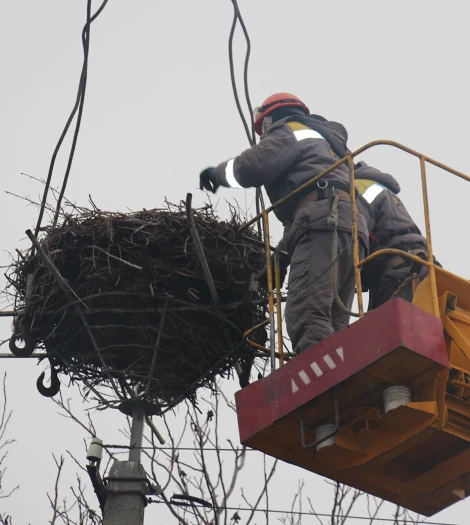
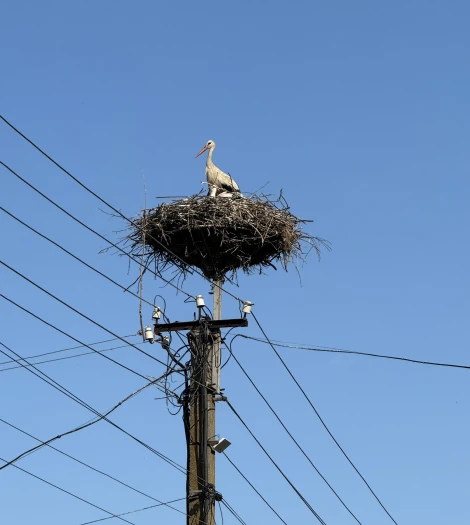
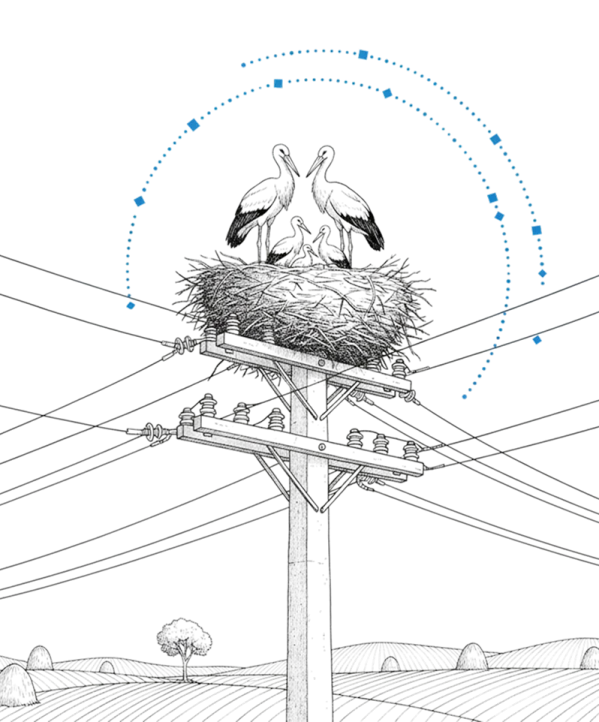
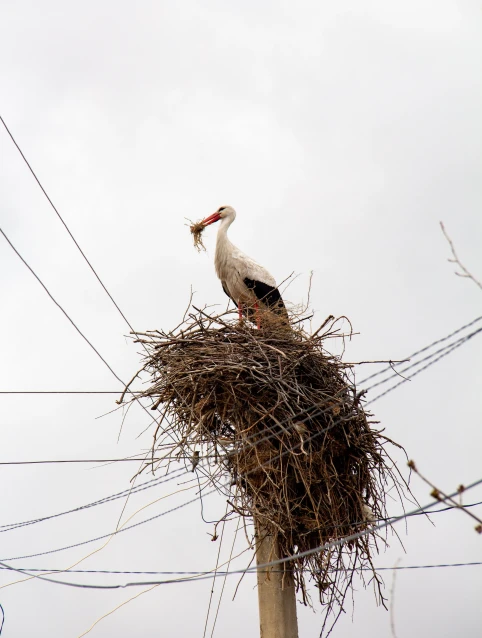
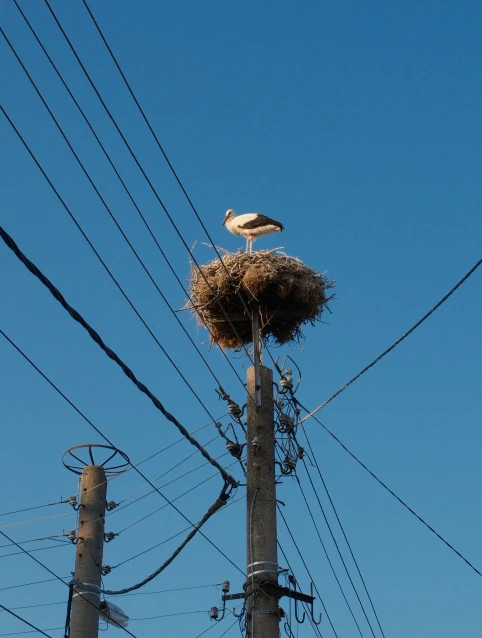
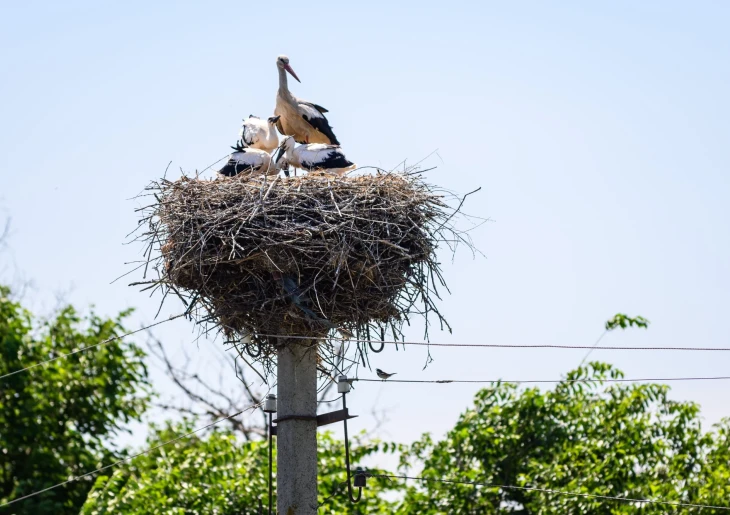
Birds and energy infrastructure have shared the same environment for decades. Storks build nests on electricity poles, while power lines and other grid facilities can create risks for wildlife.

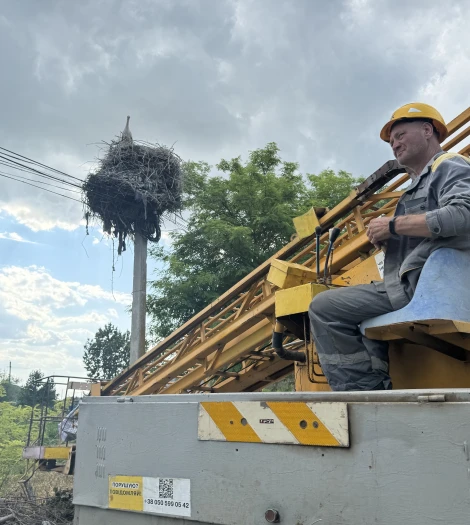
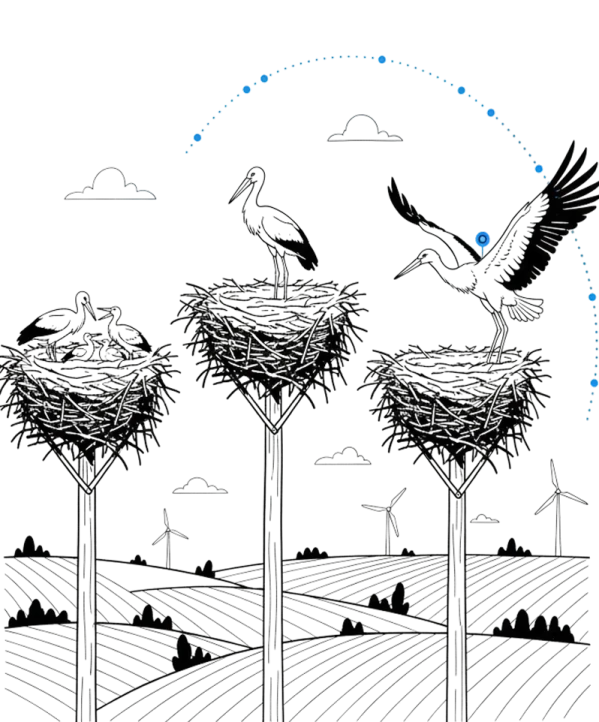
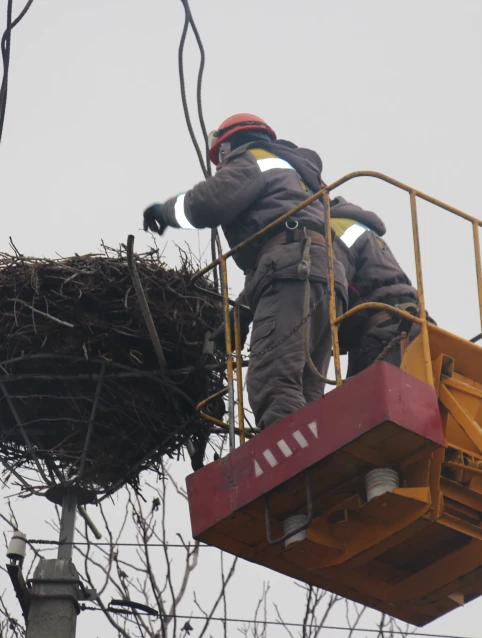
For more than 10 years, DTEK has worked with ornithologists to make its electricity networks safer for birds. DTEK Grids has installed more than 900 protective nesting platforms for storks, helping protect around 3,600 birds each year.

“Track Storks” builds on that experience. By understanding where birds travel, stop and spend time, DTEK and its scientific partners can build a better evidence base for future bird-protection measures and for considering biodiversity when electricity networks are modernised. 

This is particularly important as Ukraine rebuilds energy infrastructure damaged during the war. Track Storks is one way of helping ensure that reconstruction considers not only resilience and energy security, but also the natural environment.  

A project created together with scientists

“Track Storks” is being carried out in partnership with Ukrainian ornithologists and conservation organisations. 

Partners are involved in:

Selecting birds for GPS monitoring
Safely fitting trackers
Analysing the data obtained
Preparing scientific conclusions
Developing bird-protection recommendations

Partners

Danube Biosphere Reserve
Fitting trackers, supporting route tracking on the map, data analysis and scientific research
Western Ukrainian Ornithological Society
Tracking bird migration routes, scientific research
Professional Association for Ecology and Wildlife (PAEW)

Developing recommendations for the safe fitting of trackers, consulting, research
NV.ua 
Media partner of the project
Quotes

 It’s important to us that modern energy development happens in harmony with nature. We have been working systematically for many years to protect storks, and this new project will allow us to take another step forward — helping science gain new knowledge and use it to preserve biodiversity and develop energy infrastructure with wildlife needs in mind.

Alina Bondarenko
CEO of DTEK Grids
Alina Bondarenko

 Storks are one of the species whose migration routes partly overlap with energy infrastructure. At the same time, Ukraine still lacks systemic data on their migration that could be used in grid planning and development. That is why this project is significant both for nature conservation and for the sustainable development of energy infrastructure.

Liudmyla Tsyhanok
President of the Professional Association for Ecology and Wildlife
Liudmyla Tsyhanok

 The trackers will transmit data on migration routes, stopover sites and wintering grounds. The information obtained will form the basis of a systemic database on white stork migration in Ukraine.

Oleksandr Haidash
Senior Research Fellow at the Danube Biosphere Reserve, ornithologist
Oleksandr Haidash
#trackstorks
Part of DTEK’s wider biodiversity work
Sustainability in Action 2025

Track Storks is one part of DTEK’s broader work to understand and reduce the impact of energy infrastructure on nature.

Across our businesses, we work to protect biodiversity, restore ecosystems and integrate environmental considerations into the way energy infrastructure is operated and developed.

Find out more about our approach, projects and progress in DTEK’s Sustainability in Action report.

Sustainability in Action 2025
pic
Frequently Asked Questions
How do GPS trackers work?

In the summer of 2026, ornithologists fitted lightweight GPS trackers to ten young white storks in the Odesa and Dnipropetrovsk regions. The devices were selected with the birds’ physiology in mind and installed in accordance with ethical handling protocols.

At set intervals, the trackers record the birds’ coordinates and transmit the data to the monitoring system via a mobile connection.

The collected data will help researchers better understand the migration of white storks, support biodiversity conservation, and, in the future, take the needs of birds into account when developing energy infrastructure.

How is the route tracked?
The information is processed and displayed on an interactive map. Users can see each bird’s route, distance travelled, and stops in real time.
Who analyses the data?
Scientists analyse the speed and direction of movement, the duration of stops, selected areas, and other migration characteristics. Once a sufficient amount of data has been collected, the results are used for scientific research, conservation measures, and recommendations for safer interaction between birds and energy infrastructure.
What we plan to achieve

The project will help produce:

  • A map of the actual routes of the ten storks
  • Data on migration speed, direction and duration
  • Information on key stopover sites
  • Observations on how birds interact with their natural and infrastructure environment
  • Scientific analysis of the data obtained
  • Recommendations for further research and bird-protection measures
What is DTEK’s role in the project?
  • Initiate and provide organisational support for GPS monitoring
  • Bring together energy professionals, ornithologists and conservation organisations
  • Give the public access to the migration story through an interactive map
  • Support the collection of scientific data
  • Use the knowledge gained to further develop bird-protection solutions