EN
UA


Since the company’s founding 20 years ago, DTEK has grown into a national energy leader. Today we are transforming into a pan-European clean energy business.


Our businesses generate electricity at wind, solar and thermal power plants, distribute and supply electricity to end consumers, extract natural gas and mine coal, trade energy resources on Ukrainian and foreign markets, and provide domestic and commercial energy services.
.png_230_orig_resized_500_280_2.webp)
The green transition is profoundly transforming the global energy landscape, and DTEK is embracing this revolution.

DTEK is investing heavily in implementing innovative technologies, establishing new businesses, shaping new capacities, and enhancing the production process.

The latest company updates, press releases, and news, alongside expert insights from DTEK’s leadership.

A career at DTEK means playing an integral role in driving innovative changes and developments in Ukraine’s energy sector.

Our history
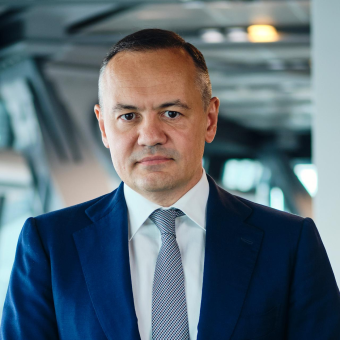
“DTEK was conceived as a company to lead innovation. Now, 20 years later, we continue to be pioneers in our industry and drivers of growth.”
Maxim Timchenko
DTEK CEO
Founded in 2005 as a coal-based energy producer in Donetsk, eastern Ukraine, DTEK has evolved into a diversified pan-European energy company with headquarters in Kyiv, Amsterdam and London.
For more than half our history, DTEK has operated in the extreme conditions of war following russia’s 2014 invasion of our hometown in Donetsk and its full-scale invasion in 2022. Under the ownership of Ukrainian businessman and philanthropist Rinat Akhmetov, DTEK is today known for its role in safeguarding national energy security, achieving a series of engineering and technological firsts and for investing heavily in a new, more resilient energy system for Ukraine.
Throughout our history, we have been pioneers. DTEK was the first company to build 1 GW of renewable generation in Ukraine and is the only energy operator in the world to construct a windfarm in an active combat zone. We were the first gas producer in Europe to drill a well deeper than 6,750m and have become a global case study in how energy companies can rapidly recover power generation and distribution.
Key events
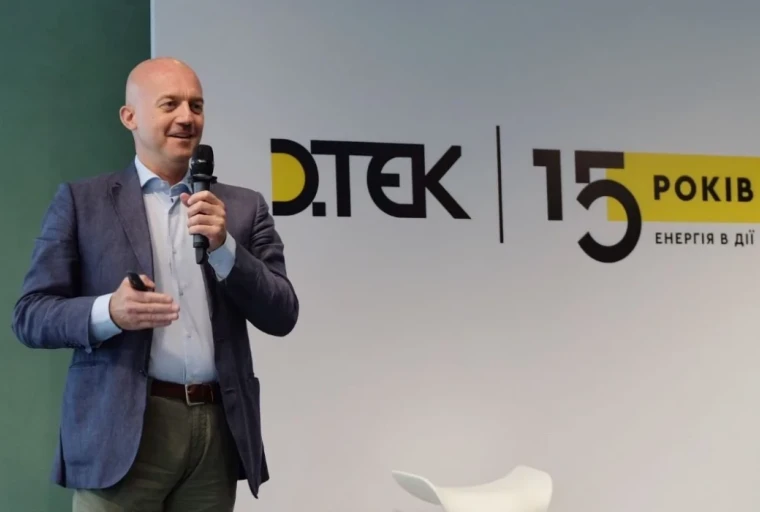
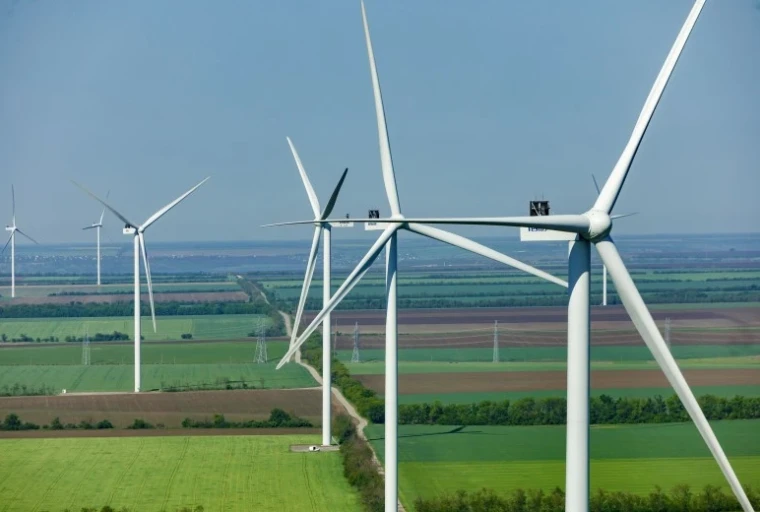
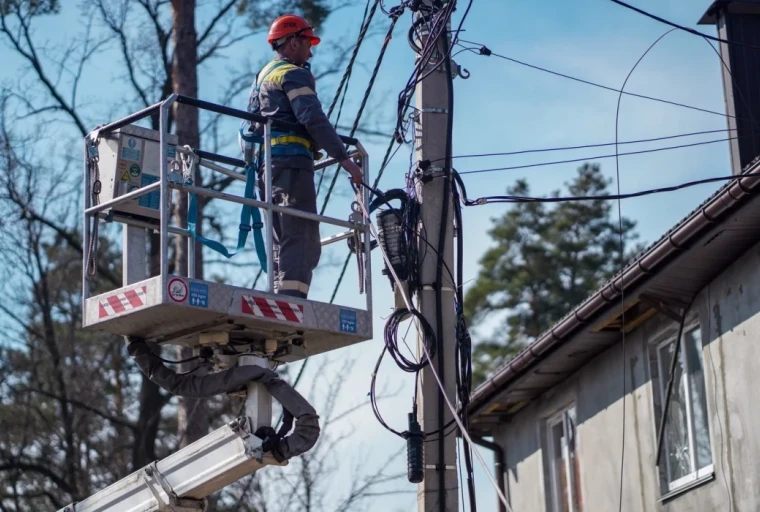
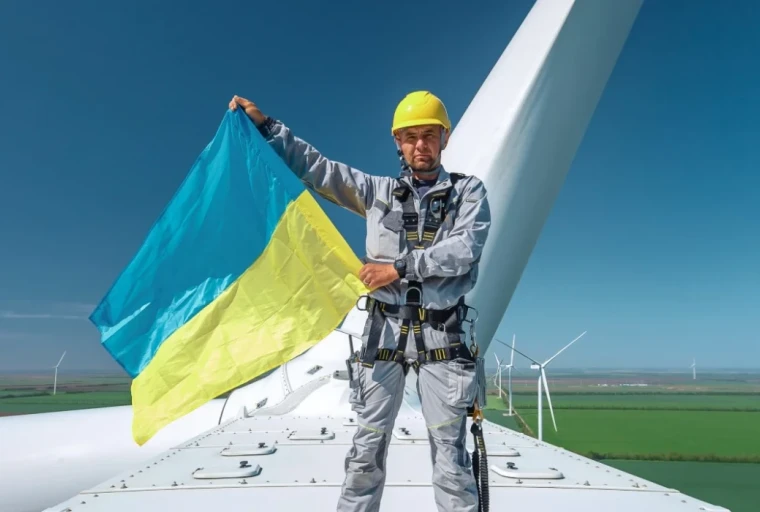
2005
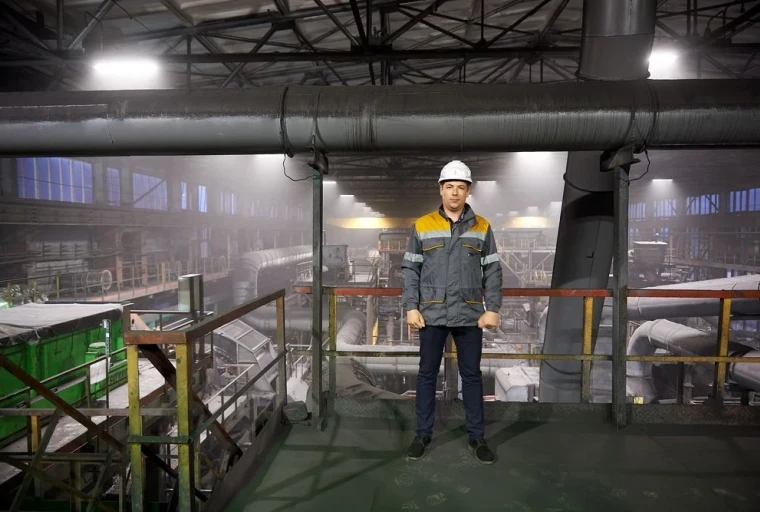
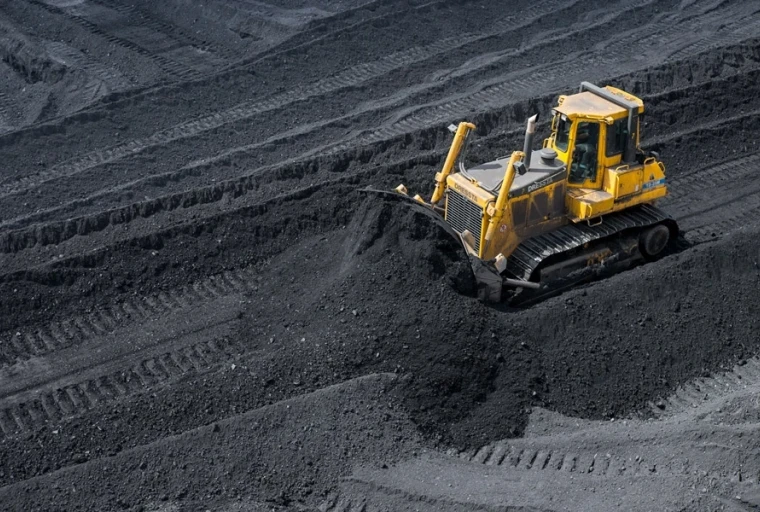
- DTEK – the Donbass Fuel-Energy Company – is established by businessman and philanthropist Rinat Ahmetov. The new group brought together 10 mines within the Pavlogradvuhillia group, the large Komsomolets Donbassa mine, three power plants in the Skhidenergo group and distribution company Servis-Invest in order to create a vertically integrated energy player.

2006
- The Energougol, Pavlogradska and Kurakhivska coal processing plants become part of DTEK.

2007
- DTEK begins its internationalisation, joining the UN Global Compact and receiving its first international credit ratings. The company grows further, adding the coal processing plants at Dobropilska, Oktyabrska and Mospino and launches a large-scale programme to upgrade its thermal power plants and expand coal mining.

2008
- DTEK takes its first steps into renewable energy, establishing a wind power company in October 2008. It accelerates efforts to modernise by establishing its corporate university Academy DTEK and a directorate to integrate new technologies.

2009
- Begins exporting electricity to Hungary, Romania and Slovakia and establishes D.TRADING to manage trading operations in Ukraine and abroad.

2010
- The company issues its first Eurobonds, raising USD 500 million to modernise production and expand operations.

2011
- DTEK enters the oil and gas sector, developing Ukrainian resources to strengthen the country’s energy independence and economic development.

2012
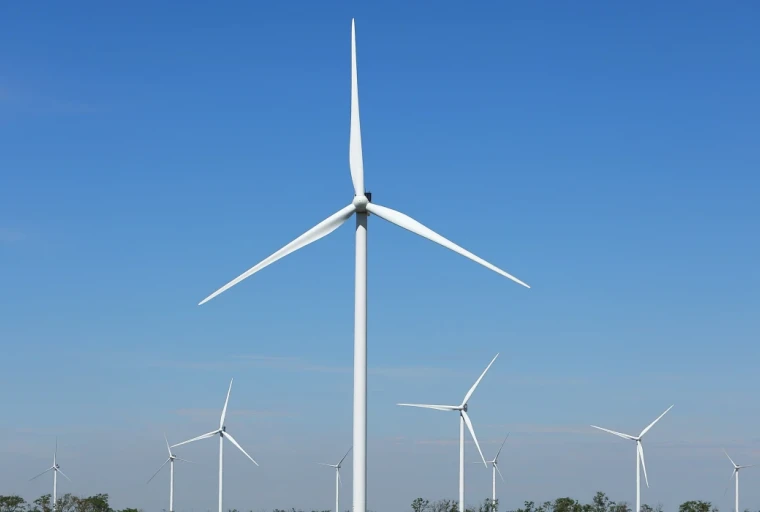
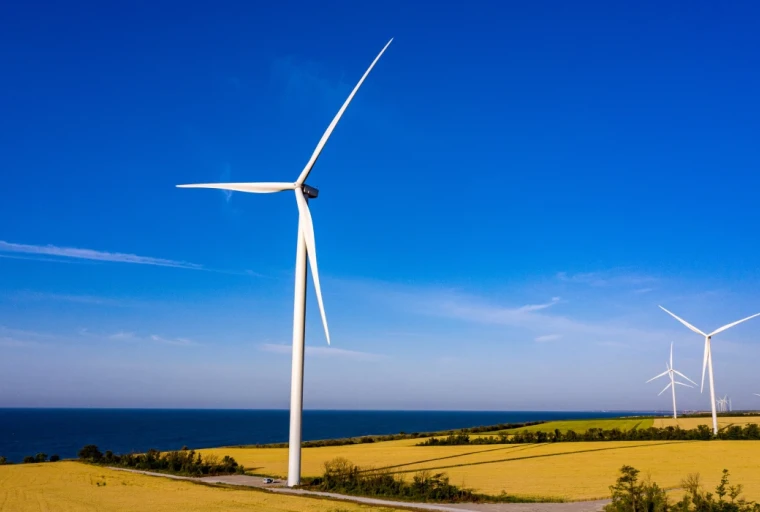
- DTEK generates its first renewable energy as 30 Vestas turbines begin producing power from the Botievo windfarm near Mariupol – a project backed by the German export credit agency.

2013
- DTEK expands westwards, opening offices in Switzerland, the Netherlands and the UK to access capital markets, expand trading operations and deepen dialogue with European partners. The company commissions the deepest gas well in Eastern Europe (6,750 metres).

2014
- russia invades the Donetsk and Luhansk regions – home to a large part of DTEK’s assets – forcing DTEK into shutting down some operations, emergency humanitarian measures and large-scale rebuilding of destroyed infrastructure. Miners work under fire and several are killed, while power plant engineers work around the clock to keep the country supplied with energy. Their combined efforts allow Ukraine to pass through the winter of 2014–15.
- Despite the outbreak of fighting to the north, the Botievo windfarm reaches its 200 MW design capacity. DTEK Oil&Gas begins drilling on five new gas wells.

2015
- DTEK marks 10 years in which it has evolved from a regional player into a sector leader through investments valued at €3 billion or UAH 40 billion (at 2012 exchange rates), while another UAH 10 billion has been invested in social projects.

2016
- Driven by the need to replace resources lost to russian occupation, DTEK undertakes one of the most ambitious coal mining operations in Ukraine for decades and successfully bridges the Bohdanivskyi fault – a previously impassable 300 m vertical offset at its Samarsa mine. The operation adds 15 years to the mine’s life after the painstaking 7-month operation.

2017
- Following reforms to Ukraine’s energy market and the synchronisation of its system with Europe’s, the Group establishes DTEK Grids. DTEK Group now has four operating companies: DTEK Energy (coal mining and processing, electricity generation and mining equipment manufacturing); DTEK Grids; DTEK Renewables and DTEK Oil&Gas. DTEK begins construction on its first solar generation project at Tryfonivka and plans a second in Nikopol.

2018
- Work increases on DTEK’s renewables assets. Construction begins on the 200 MW Nikopolska solar park and on another, at 240 MW, in Pokrovsk. Contracts are signed with GE Renewable Energy for the construction of the 52-turbine Prymorska windfarm and with Vestas on the 26-turbine Orlivska windfarm.

2019
- DTEK unbundles electricity distribution and supply, establishing D.SOLUTIONS and launching the retail brand YASNO, meaning “clear” in Ukrainian.
Meanwhile, DTEK’s renewable footprint surpasses 1,000 MW of installed capacity.

2020
- Sustainability and ESG principles move up the agenda as a new strategy is unveiled. As the global energy sector geared up for transition, DTEK installs Ukraine’s first industrial-scale battery energy storage system (BESS), connects the country’s first industrial rooftop solar power plant and issues Ukraine’s first green bond dedicated exclusively to renewable energy.

2021
- Work begins on DTEK Renewable’s latest onshore windfarm – Tyligulska in Mykolaiv region – using Vestas’ mighty 6 MW turbines, each with a rotor diameter of 162 m. To protect internationally important bird sanctuaries nearby, DTEK builds bird islands. Meanwhile, colleagues in DTEK Grids install special platforms on electricity pylons to give white storks precious nesting sites.

2022
- DTEK and Ukraine’s history changes forever on 24th February, 2022, when russia launches its full-scale invasion. DTEK evacuates more than 2,000 employees and families from combat zones and establishes an anti-crisis headquarters to respond to the greatest challenge in the company’s and country’s history. DTEK goes on to supply free electricity to the military and hospitals and allocates millions for humanitarian and defence support.
The company moves what assets it can, but its Luhanska and Zaporizka power plants are occupied along with the Prymorska and Orlivska windfarms and Tryfonivska solar park. That autumn russia begins massive attacks on Ukraine’s energy system – an assault that continues to this day.
There are also victories. Three weeks after invasion and disconnection from the russian grid, Ukraine successfully becomes part of the European energy system – a milestone in the country’s integration with Europe. Near the capital, DTEK engineers from around the country restore power to communities occupied by russia, just 45 days after they are liberated. And in Tyligulska – after construction on the windfarm is paused, a Ukrainian counter-offensive allows building to recommence with workers wearing bulletproof vests.

2023
- The call for support of Ukraine’s embattled system is heard by international partners including the US Government, European Commission and private companies such as Schneider Electric, E.ON, EDF, RWE, EnBW and many others. In the international courts, DTEK wins a landmark arbitration case in The Hague against russia over seized Crimean assets.
DTEK opens Tyligulska WPP, becoming the only energy company in the world to build a windfarm in an active combat zone. The Tryfonivska solar park is liberated and resumes operations.

2024
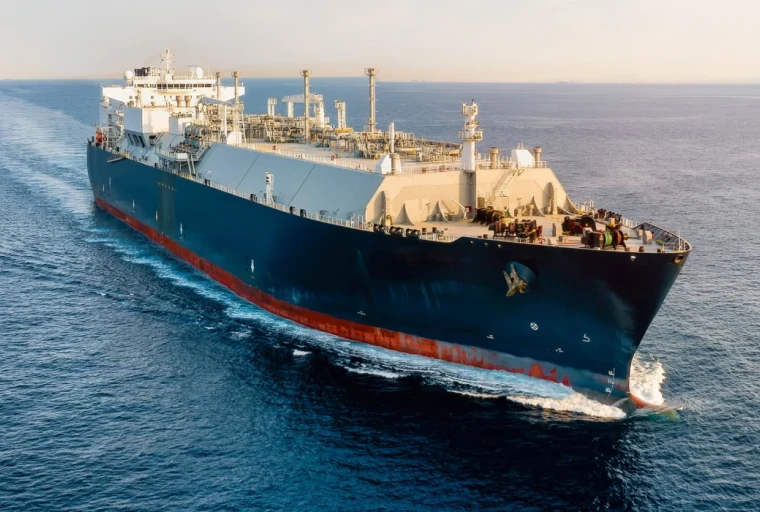
- Beginning in March, russia launches its heaviest assault of the war to date: 13 massive attacks through to December. Repair crews work around the clock and restore sufficient power to get Ukraine through winter. In search of enduring energy security, DTEK signs an agreement with Vestas to expand Tyligulska to 500 MW, announces a 200 MW battery storage project with US manufacturer Fluence and imports its first cargo of US LNG into Ukraine via Greece.

2025
- DTEK marks 20 years of investment, transformation and extraordinary resilience.
From September, russia begins an all-out assault on every part of the energy system for the first time. DTEK steps up investment in repairs to total €900 million in 2025, but the ferocity of russian attacks, combined with the coldest temperatures in 15 years, condemn Ukraine to its hardest winter since independence.
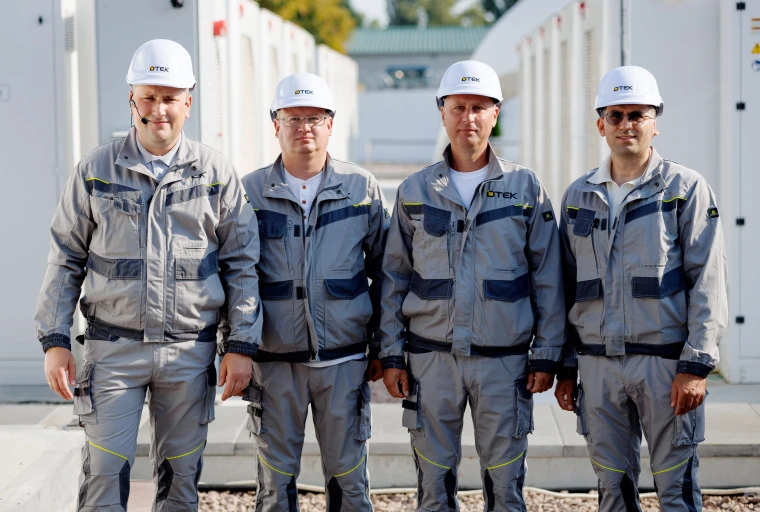
In the face of russian attacks on centralised energy assets, DTEK opens its 200 MW battery storage project across six sites – the first of its in Ukraine and built in record time. Building begins on phase II at Tyligulska and plans for an even bigger windfarm in Poltava at 650 MW are unveiled. In Romania, EU subsidiary DRI brings wind and solar projects online. More US LNG arrives, this time coming via Lithuania.


