EN
UA


Since the company’s founding 20 years ago, DTEK has grown into a national energy leader. Today we are transforming into a pan-European clean energy business.


Our businesses generate electricity at wind, solar and thermal power plants, distribute and supply electricity to end consumers, extract natural gas and mine coal, trade energy resources on Ukrainian and foreign markets, and provide domestic and commercial energy services.
.png_230_orig_resized_500_280_2.webp)
The green transition is profoundly transforming the global energy landscape, and DTEK is embracing this revolution.

DTEK is investing heavily in implementing innovative technologies, establishing new businesses, shaping new capacities, and enhancing the production process.

The latest company updates, press releases, and news, alongside expert insights from DTEK’s leadership.

A career at DTEK means playing an integral role in driving innovative changes and developments in Ukraine’s energy sector.

From holiday flights to energy peaks: How battery storage can save you money and make you money
04 September 2025, Ukraine
Copy link
Copied!

Subscribe to our news

From holiday flights to energy peaks: How battery storage can save you money and make you money
Copy link
Copied!
Subscribe to our news
Imagine booking your next holiday flight. Tickets are sky high during summer months or Christmas, but cheap in low seasons. Typical supply-demand dynamic. Now imagine having a magic box that could buy those tickets when they’re cheap, store them, and let you use them during peak travel season without paying the inflated price.
That’s exactly what batteries do in the electricity market.
- Why batteries are becoming big business
Just like plane tickets, electricity prices fluctuate wildly in response to supply and demand in any given hour, and this volatility is only increasing as renewable energy continues to grow, combined with geopolitical uncertainty. For example, in Germany, the peak electricity price in June 2024 was 30 times higher than the average. During periods of high solar power generation, prices even go negative, and you get paid to use electricity. In the meantime, battery prices have been falling, making them more affordable than ever.
Battery storage helps flatten energy price fluctuations. They also stabilise the grid, store excess renewable power and prevent outages. In developed markets like the UK, with over 4 GW of battery energy storage systems (BESS) already in operation, regulators have created incentives so batteries can play multiple roles and generate multiple revenue streams.
- A strategic asset in Ukraine
Globally, BESS is emerging as one of the fastest-growing infrastructure investment opportunities. Analysts project the global BESS market will reach between $120 - $150 billion by 2030, driven by factors such as the increasing integration of renewable energy sources, grid stability requirements and the need for flexible power management solutions.
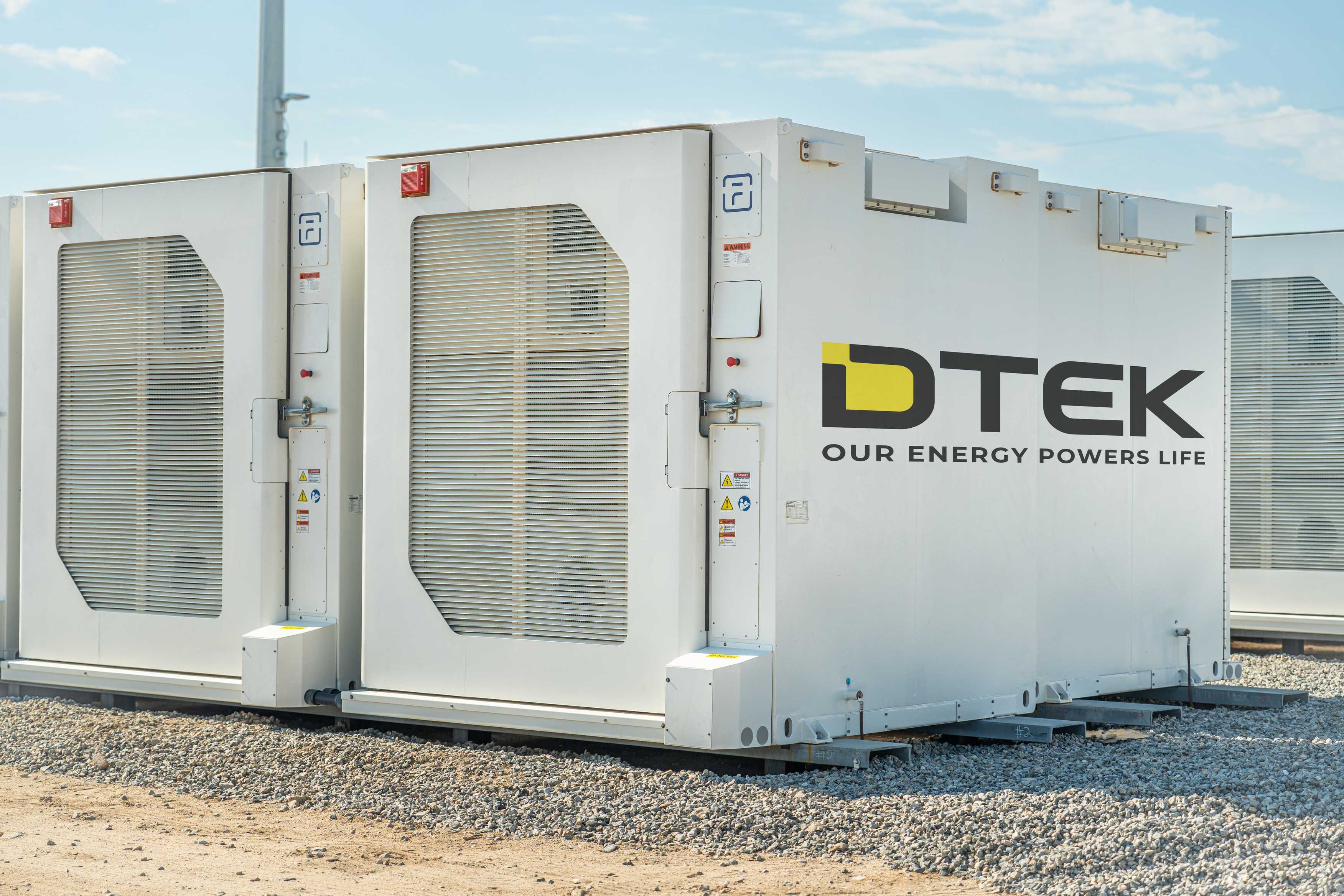
In Ukraine, batteries are more than just a technical fix. They are a strategic asset. With ongoing russian attacks, power cuts can happen within minutes when power stations or grids are hit by drones or missiles. Batteries help restore electricity almost immediately, keeping critical services running and bringing light back to people’s homes and reducing the impact of outages. They are also vital for accelerating energy system reconstruction and integrating more renewables into a stronger, decentralised energy system.
- A win for investors
For investors, BESS is no longer an experimental technology. It’s a proven asset class, bankable and rapidly scaling. In developed markets, batteries have already demonstrated operational track record and returns, while in emerging markets like Ukraine, the upside includes first-mover advantages and alignment with strategic national priorities.
It’s the perfect market moment: technology costs are falling, regulatory changes are enabling batteries to grow in multiple markets, and price volatility is creating opportunities for electricity price balancing. To put it simply, the market fundamentals have never been stronger.
If you’re an investor looking for growth and impact, now is the moment to get on board.
- Local partner
To get projects moving, you need a partner with a proven track record, deep market knowledge and a strong customer base. DTEK is already in the process of developing multiple BESS projects in Ukraine and beyond, including a partnership with Octopus Energy to accelerate battery construction across commercial and public buildings in Ukraine under the RISE programme.


DTEK Group is the largest private investor in Ukraine’s energy sector, with 55,000 employees and over €12 billion of capital invested since 2005.
Our businesses generate electricity at wind, solar and thermal power plants; distribute and supply power to end consumers; extract natural gas and coal; trade energy resources on Ukrainian and foreign markets; and provide domestic and commercial energy services.
Over the last 20 years, DTEK has grown into a national energy leader and is today transforming into a pan-European clean energy business.
Since the full-scale invasion of Ukraine in 2022, DTEK Group has restored power to millions of consumers across regions affected by hostilities.
DTEK Group is 100% owned by SCM Holdings. The ultimate beneficiary and sole shareholder is Rinat Akhmetov, a businessman and philanthropist.
All news
All news

20 October 2026
Five DTEK facilities hit in one day as russian attacks target power distribution ...
16 October 2026
DTEK energy facility in Odesa region damaged in overnight russian attack

12 October 2026
DTEK and Shakhtar launch Champions League campaign to drive investment in Ukraine
09 October 2026
russian drones hit two DTEK power sites in eastern Ukraine within 10 hours
09 October 2026
DTEK Group | 2026 September highlights
02 October 2026
US-backed investment fund introduces financing for DTEK’s landmark battery ...

