

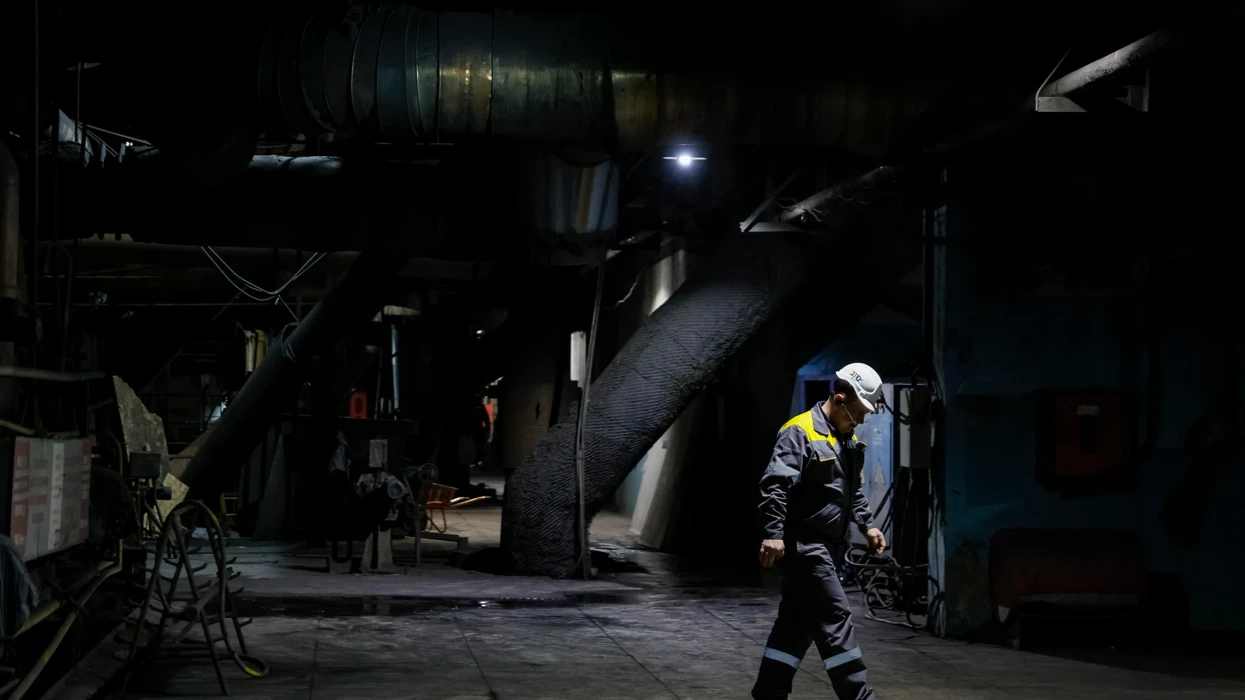
“We heard the whistle of missiles. It was clear what it was. We dropped to the floor. There wasn’t even time to feel fear.” Oleksandr has faced repeated russian missile and drone attacks as an engineer at one DTEK power station. After an attack on one plant this Wednesday, we share his story.
Q: What is your memory of the first attack?
A: I was working as the head of the turbine hall. Due to my duties, I was at the central control panel during the strikes. The first attack hit the station and equipment with missiles and drones , and there was damage.
Q: What happened in those first moments?
A: When the air raid alert started, there were two of us at the central control panel. We sent as many people as possible to the shelter and hid behind concrete columns, just in case. We still didn’t believe a direct hit would happen.
We were talking about work when we heard the whistle of missiles. It was clear what it was. We dropped to the floor. There wasn’t even time to feel fear.
Q: What about the second time?
A: The second time was during a night shift. The air raid alert started again — drones and missiles were flying. That was uncomfortable. You sit through the whole shift waiting for something to hit. You hear bangs, everything shakes. When the explosions finally started, I actually felt some relief — like, “Okay, it’s happening now.”
Q: How did the latest attack differ from the previous ones?
A: The last one was completely different — a combined strike. We hadn’t seen that before. They used cruise missiles and drones simultaneously, with pauses in between. The idea was clear: after the first wave, people go out to assess damage and start repairs, and then more drones hit. It was meant to harm both equipment and people. They are more ruthless and better prepared.
Q: How do you keep working under constant threat of new attacks?
A: It’s stressful of course and affects your mood and well-being. Especially in the days before an attack, when rumours start circulating. But we prepare. We share experience with other stations, exchange tactics and technical solutions, and apply them in practice.
Q: How does your family feel about this?
A: My wife knows I work at the station. If an air raid alert catches me at home, I stay there and monitor remotely. If it happens at work, my wife calls and tells me to take cover.
Q: What helps you keep going despite everything?
A: First, the awareness I’m not alone. There’s a team, not just the station staff, but everyone working to restore power. Knowing that our international partners are helping — that support matters. It reminds us we’re not forgotten.
Q: What will help Ukrainians get through this winter?
A: Patience and understanding. People need to know outages aren’t caused by local utilities — it’s the result of attacks. Everyone should know they are not forgotten. We just need a little patience and solidarity.
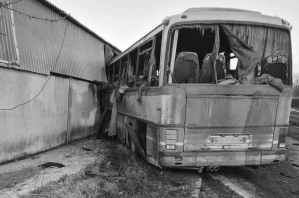
Photo of one of the latest attacks, by Reuters.