

The sirens sound. Missiles are in the air.
And the power plant keeps running.
"Whether I do my job or not determines the lives of many Ukrainians."
That’s how Dmytro, a department head at one of DTEK's thermal power plants, describes his work to Kyiv Independent journalist Dominic Culverwell during a rare site visit to a site that has become a frontline.
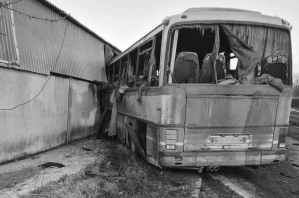
Culverwell's report takes us inside the reality of russia’s intensified winter attacks on Ukraine's energy system. The scene is stark and unsettling: burnt-out cars in the car park, shattered windows, torn roofs and walls from direct strikes. Scattered around the site are mangled pipes and charred transformers – vital equipment Ukraine is desperately procuring from international partners tas stocks run low.
But this story is not just about destruction. It’s about people.
In a sandbag-lined control room, Yurii, a shift supervisor, remains at post during air raids while others run for shelter. "It's an interesting feeling during an air attack. Danger, danger, and again danger," he tells Culverwell.
Nearby, Vitalii, a senior operator who has spent decades at the plant, watches his workplace change before his eyes. "Honestly, it hurts to see. It used to be so beautiful here, so clean," he says.
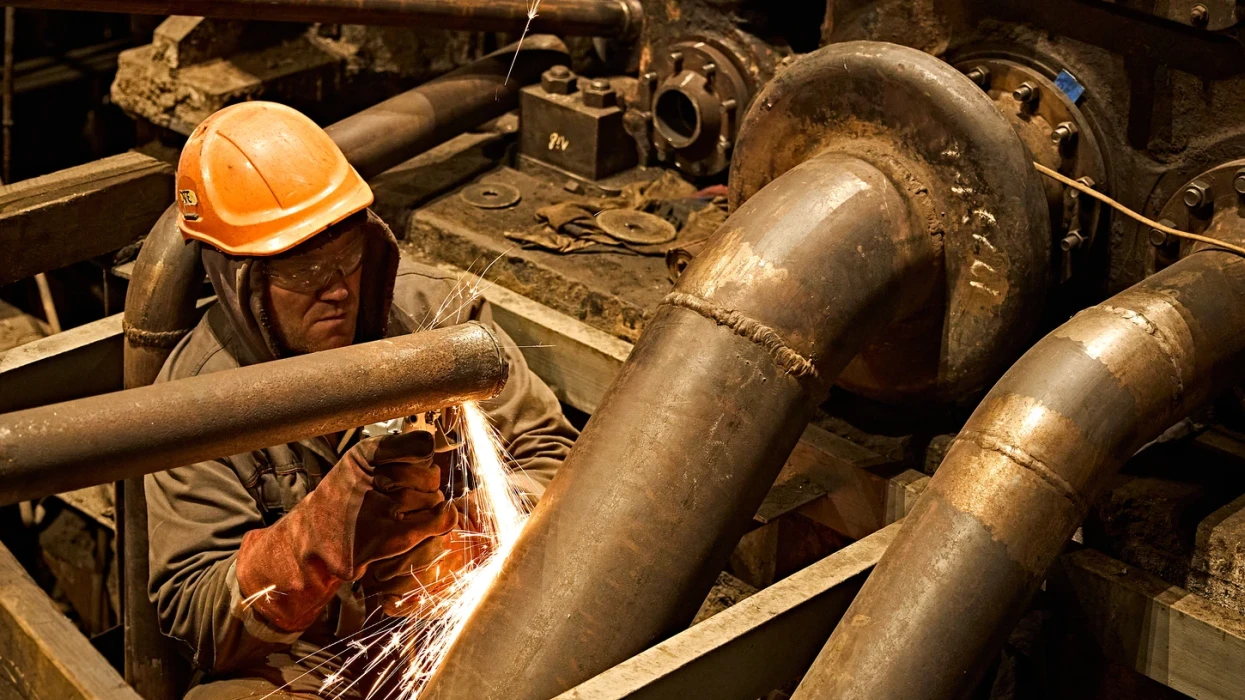
After every strike, the routine is the same. Workers grab buckets and shovels to clear rubble, then begin the painstaking work of welding and hammering the plant's giant steel body back together. Leaving is not an option. If they stop, the power stops.
"We don't want to live in darkness. We want it to be warm and light at home. And that depends on us," Vitalii tells Culverwell.
This is the human cost and the human courage behind keeping Ukraine’s lights on through another challenging winter of war.
Read the full story on the Kyiv Independent's website .