EN
UA


.png_230_orig_resized_500_280_2.webp)


Building Ukraine’s energy future through technology and partnership
16 July 2026, Ukraine
Copy link
Copied!

Subscribe to our news

Building Ukraine’s energy future through technology and partnership
Copy link
Copied!
Subscribe to our news
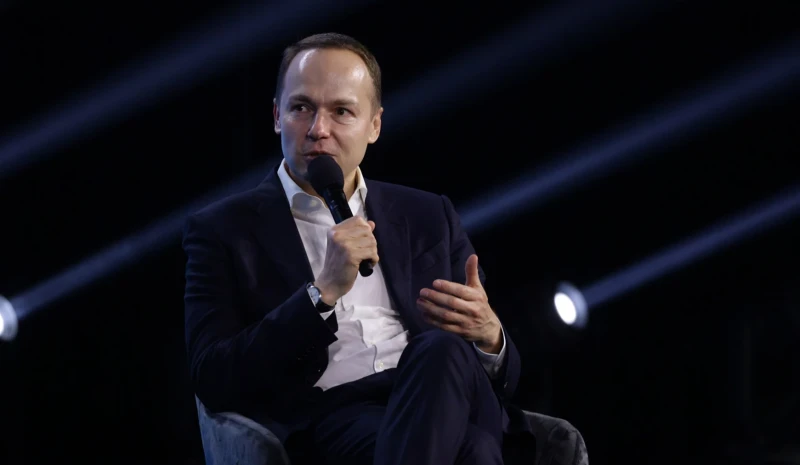
By Ivan Geliukh, Head of Strategy, DTEK & Chairman of the Supervisory Board of DTEK Grids
russia's attacks on Ukraine's energy system have taught us a lesson no strategy paper ever could: no piece of energy infrastructure is untouchable.
For decades, energy systems were built around large, centralised assets. They were efficient, but they also created single points of failure. When one major power plant or substation is hit, millions of people can lose electricity.
That model no longer fits the world we live in.
Ukraine's answer is not simply to rebuild what was destroyed. It is to build a different kind of energy system. One that is decentralised, digital and far more resilient.
Distributed generation, battery storage and smart grids make energy systems more resilient. As Chairman of the Supervisory Board of DTEK Grids, I have seen firsthand that no infrastructure is completely safe from attack. The lesson from this war is: resilience is not about preventing every strike, but about recovering quickly and keeping the lights on.
Technology is making that possible. Digital grid management, automation and AI help operators identify faults faster, restore electricity more efficiently and keep customers informed during outages. These tools do not replace people. They help skilled teams respond more effectively when every minute matters.
But technology alone is not enough. Ukraine's transformation depends on strong partnerships between the private sector, technology providers and investors that can turn innovation into real projects.
A good example is the new €100 million joint venture announced by DTEK and Octopus Energy at the Ukraine Recovery Conference (URC) in Gdansk, which will accelerate the deployment of distributed solar and battery storage for businesses and public institutions across Ukraine through Project RISE. Using Octopus Energy's Kraken platform, customers can optimise when they consume, store and export electricity, reducing costs while easing pressure on the grid.
Another is our work with GE Vernova to modernise Ukraine’s electricity networks. A new digital substation being built in the Kyiv region will use advanced digital monitoring and control systems to improve grid reliability, enable faster response to disruptions and supply electricity to more than 65,000 homes and businesses.
Innovation and partnership are also essential to building a more flexible energy system for Ukraine. At URC, DTEK and GE Vernova announced plans to advance a 650 MW combined-cycle gas turbine project in western Ukraine. This project will bring one of the world's most advanced gas technologies to the country to support not only domestic gas production but also enable the transition from coal to gas.
These projects show what is possible when international expertise, private investment and Ukraine’s frontline experience come together. The solutions being deployed in Ukraine are being tested in real-world conditions and will have lessons far beyond its borders.
In Gdansk, I was encouraged by the shift in the conversation. There was less discussion about risk and more discussion about opportunity, investment and delivery. That confidence matters because rebuilding Ukraine’s energy system is not only about restoring what has been lost, but creating something stronger, smarter and more resilient than before.
All news
All news


09 October 2026
DTEK Group | 2026 September highlights
02 October 2026
US-backed investment fund introduces financing for DTEK’s landmark battery ...
28 September 2026
Why compliance matters as DTEK grows internationally
24 June 2026
An analysis from DTEK's Advisory Council
27 May 2026
How energy independence is changing Ukrainian business
17 February 2026
Eurelectric highlights DTEK’s experience as a model for Europe’s energy resilience

