EN
UA


Since the company’s founding 20 years ago, DTEK has grown into a national energy leader. Today we are transforming into a pan-European clean energy business.


Our businesses generate electricity at wind, solar and thermal power plants, distribute and supply electricity to end consumers, extract natural gas and mine coal, trade energy resources on Ukrainian and foreign markets, and provide domestic and commercial energy services.
.png_230_orig_resized_500_280_2.webp)
The green transition is profoundly transforming the global energy landscape, and DTEK is embracing this revolution.

DTEK is investing heavily in implementing innovative technologies, establishing new businesses, shaping new capacities, and enhancing the production process.

The latest company updates, press releases, and news, alongside expert insights from DTEK’s leadership.

A career at DTEK means playing an integral role in driving innovative changes and developments in Ukraine’s energy sector.

DTEK Grids shares bird protection experience at “Free Sky for Birds 2026”
16 April 2026, Ukraine
Copy link
Copied!

Subscribe to our news

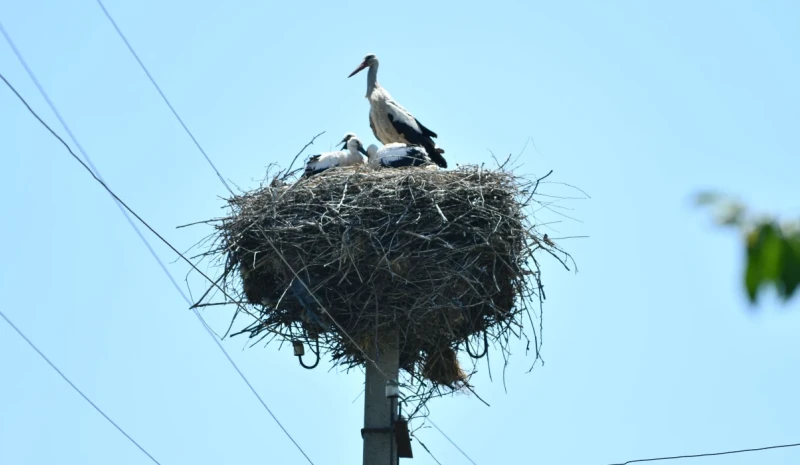
DTEK Grids shares bird protection experience at “Free Sky for Birds 2026”
Copy link
Copied!
Subscribe to our news
DTEK Grids showcased its work to protect bird populations at the international Free Sky for Birds 2026 conference in Bratislava. The event brought together nearly 150 experts from 24 countries, all working to make energy infrastructure safer for wildlife.
Over the past year, DTEK Grids has helped protect biodiversity by relocating 120 white stork nests onto specially designed platforms. These solutions keep birds safe while allowing electricity networks to operate reliably.
Protecting nature even during wartime
Speaking at the conference, Olena Potapenko, Head of Environmental Safety at DTEK Grids, shared the company’s experience under the #EnergyWings project and spoke about the challenges of operating distribution grids during the war.
"Even in the conditions of war, we continue to work on environmentally safe grids. For us, it is important to combine reliability of power supply and responsibility towards ecosystems and communities," said Potapenko.
Sharing ideas and practical solutions
Participants also discussed global trends in bird protection, including stricter ESG reporting requirements, better data collection on bird casualties and the growing use of innovative protective equipment. New technologies, such as bird-safe crossbar designs and drone-based installation of protective devices, were also high on the agenda.
The conference programme included field visits, where the Slovak grid operator demonstrated bird-protection measures on medium and high-voltage lines, as well as artificial nesting sites. Delegations also visited the ecological site Biskupické luhy along the Danube and other protected natural sites in Hungary and Austria, where conservation projects for bustards and other species are underway.
Ukrainian experience, international recognition
DTEK Grids' participation in Free Sky for Birds 2026 shows the strong interest in Ukraine’s practical expertise on the international stage. DTEK will continue to develop new technologies, partnerships and projects that reduce the impact of energy infrastructure on wildlife and support a more sustainable energy future.


DTEK Group is the largest private investor in Ukraine’s energy sector, with 55,000 employees and over €12 billion of capital invested since 2005.
Our businesses generate electricity at wind, solar and thermal power plants; distribute and supply power to end consumers; extract natural gas and coal; trade energy resources on Ukrainian and foreign markets; and provide domestic and commercial energy services.
Over the last 20 years, DTEK has grown into a national energy leader and is today transforming into a pan-European clean energy business.
Since the full-scale invasion of Ukraine in 2022, DTEK Group has restored power to millions of consumers across regions affected by hostilities.
DTEK Group is 100% owned by SCM Holdings. The ultimate beneficiary and sole shareholder is Rinat Akhmetov, a businessman and philanthropist.
All news
All news

20 October 2026
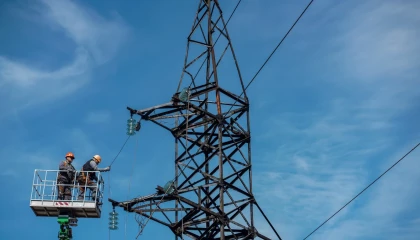
Five DTEK facilities hit in one day as russian attacks target power distribution ...
16 October 2026
DTEK energy facility in Odesa region damaged in overnight russian attack
12 October 2026
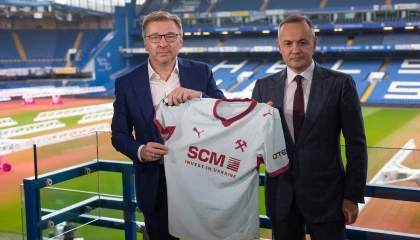
DTEK and Shakhtar launch Champions League campaign to drive investment in Ukraine
09 October 2026
russian drones hit two DTEK power sites in eastern Ukraine within 10 hours
09 October 2026
DTEK Group | 2026 September highlights
02 October 2026
US-backed investment fund introduces financing for DTEK’s landmark battery ...

