

COP30 closed on Sunday without a final resolution on global climate progress or new commitments. It’s a reminder of how difficult consensus has become, but it was an opportunity to take stock not just of global climate ambition, but of how far we still need to go. The conversations were honest, sometimes uncomfortable and yet, constructive. One message cut through: we must stop talking about change and start delivering it. Pledges are no longer enough. The world wants proof that action is happening on the ground.
Here are my key takeaways.
- A reality check
There’s a clear understanding that limiting global warming to 1.5°C is slipping out of reach. Planetary boundaries are under strain. However, despite political noise, climate science remains our compass – widely trusted and respected. And yes, “make science great again” hats did make an appearance in Belém.
The debate about future COPs continues. For me, the scale matters. To learn quickly and improve delivery, we need the people who are actually building infrastructure and financing new systems at the table.
- Financing the transition and what Ukraine shows the world
At Ukraine’s Pavilion, we brought the key players together in a panel on de-risking capital at scale with leaders from EBRD, Marsh, Octopus Energy and TheCityUK.
The message was simple: rebuilding Ukraine’s energy system is one of Europe’s largest investment opportunities. But none of it happens without bold partnerships and innovative ways to share risk.
We shared real examples on the ground. One is the Tyligulska Wind Power Plant, where Denmark’s export credit agency, EIFO, provided guarantees that enabled Danske Bank to offer debt financing and brought Danish turbine supplier Vestas into the project.
Another example is our work with Octopus Energy to kick-start a €100 million investment vehicle aimed at reducing the cost of capital for Ukrainian small and medium-sized businesses. Through RISE, these businesses will be able to install onsite solar and battery solutions, creating a more resilient energy system during challenging times.
From large wind farms to SME rooftops, the conclusion is clear: public and private innovation together can finance resilience and transition at every level.
- Shift in narrative
The conversation is shifting: climate → resilience → security.
I joined conversations on energy security and the role of distributed renewables in emerging economies. The takeaway was universal: renewables and batteries are no longer just climate solutions. They are national security infrastructure.
This reflects the world we live in: war, cybersecurity threats, extreme weather, trade tensions. Energy, economies and communities depend on systems that can withstand shock. For Ukraine, ensuring reliable energy supply is fundamental.
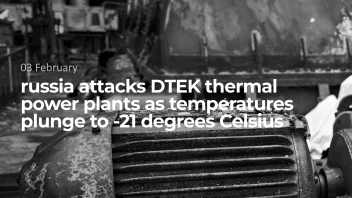
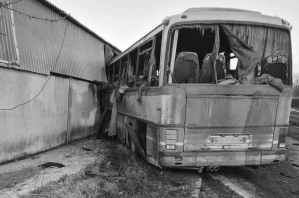
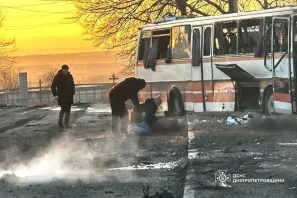
When our power stations and grids are under attack, our teams restore power so families, hospitals and frontline communities can cope. While responding to the immediate crisis, we are also preparing for the future, expanding wind, solar and storage so the system is more resilient, distributed and sustainable for our future.
- AI and data
AI is reshaping how we model, predict and operate energy systems, but it’s only as strong as the data supporting it. Good quality data has never been more important. AI will be a differentiator, and companies that invest in the foundations enabling AI will pull ahead.
Across COP30, I sensed the same view and way of working: try, learn and improve. That’s how real transformation happens. Resilience and energy security for Ukraine are not just slogans. They are everyday work. We work in conditions far from the ideal. We are rebuilding and transforming Ukraine’s energy system in the middle of a war. That means increasing renewable capacity, strengthening resilience, restoring power and adapting faster than anyone thought possible.
Progress is the only way forward.
In Belém, I was surrounded by people driven by the same determination and it reminded me why we keep going at DTEK. The best way to secure the future is to build it, even when the present is hard.