

In a recent interview with L’Express, DTEK's CEO Maxim Timchenko shared how Ukraine’s energy system has endured the heaviest attacks in modern history and why the war has become a catalyst for a cleaner and more resilient future.
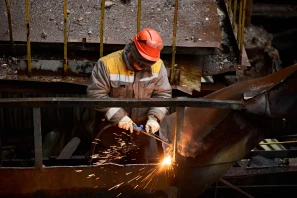
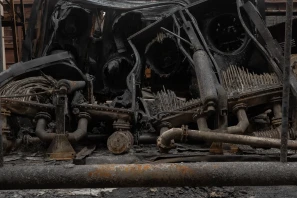
A year ago, 90% of DTEK's power generation was destroyed. Today, Ukraine is exporting electricity again. But Timchenko warns, surviving the coming winter depends on continued air defence support:
"The danger is that all these efforts could be undone by a single massive attack. This is why air defence systems, such as the American Patriot remain essential as winter approaches."
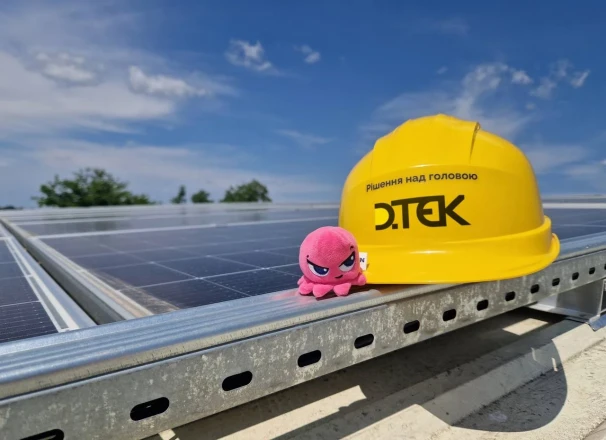
The war has sparked a fundamental energy transformation in the country: decentralising production through renewables and battery storage to make capacity more dispersed and harder to target.
“A single russian Iskander missile can destroy a coal-fired power plant… russia would need at least 50 missiles to destroy the same capacity spread over a wind farm,” Timchenko noted.
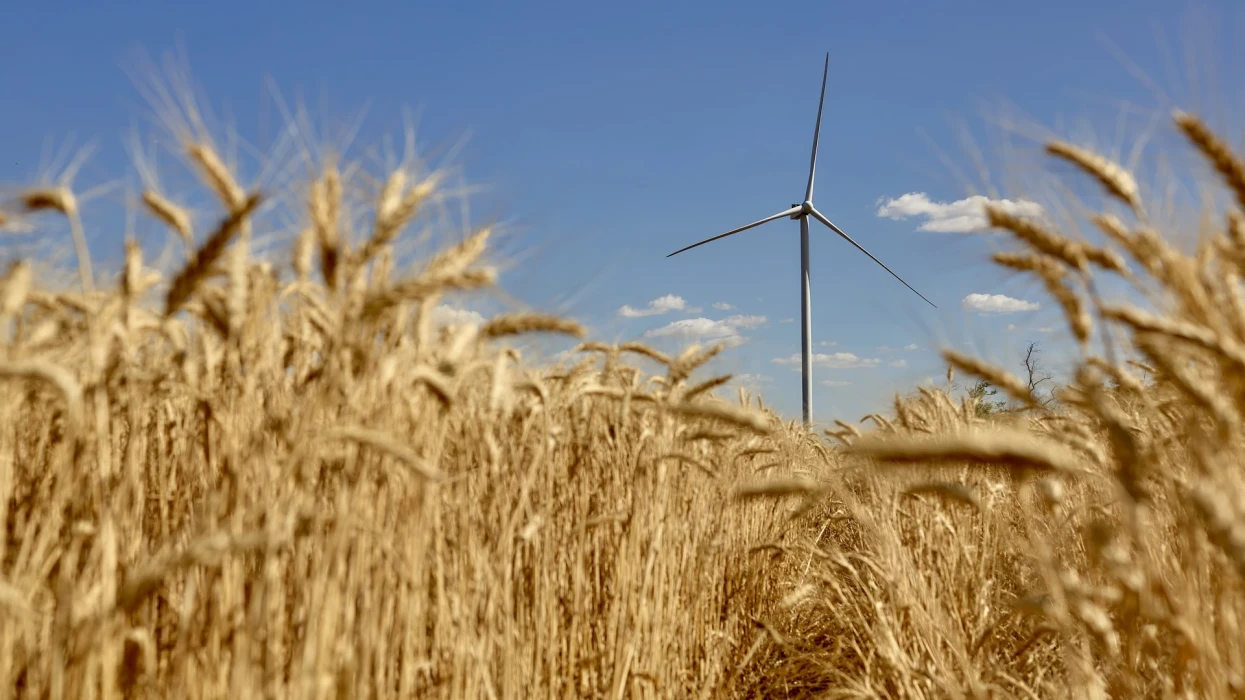
DTEK's Tyligulska wind farm is a proof of this vision. Built during the war less than 100 km from the front line, its first phase was completed in early 2023, with expansion to 500 MW by 2026. New project in Poltava and one of Eastern Europe’s largest battery storage facilities are next.
With more than 70% of Ukraine’s electricity already from clean sources and Europe's second-largest natural gas reserves, Timchenko sees Ukraine’s potential clearly:
"Ukraine is the sleeping giant of European energy. We now need to invest in Ukraine’s energy interconnections with Europe to make this potential a reality."
The full interview can be read here.