
 Back to list
What is renewable energy?
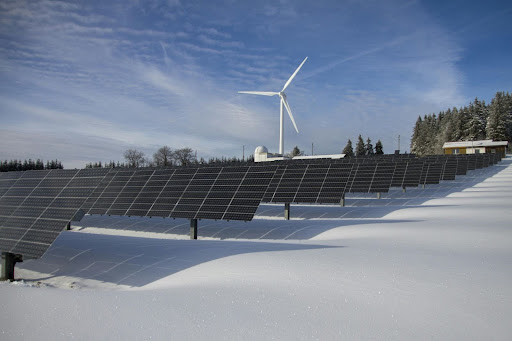
As we encounter more natural disasters, such as wildfires and hurricanes, we realise just how terrible global warming and pollution can be. Fortunately, governments, businesses, and individuals are already working on greenhouse gas reduction. Renewable energy systems incorporating sun and wind power are a part of the eco-friendly approach.
Today, we will unpack what different types of power are, how they benefit our environment in the sustainable energy future, and how they differ from non-renewable energy.
Understanding the meaning of renewable energy
Renewable energy comes from unlimited sources. We can never run out of airflow and sunlight, for instance, as the environment always replenishes them. When we capture them by using solar panels and wind turbines, we receive the power that can be transformed into electricity and used anywhere:
- households;
- offices;
- transportation;
- manufacturing facilities, and more.
Amid the overwhelming usage of fossil fuels, such as coal and gas, renewable sources are driving the sustainable energy transition, where we emit less greenhouse gas and battle the climate crisis. Thankfully, wind, solar energy and renewable energy in general are decreasing in cost, thus becoming more accessible for adoption.
Main types of renewable sources of energy
There are a lot of renewable energy sources utilised around the world. Yet, solar and wind stand as the two most popular amid the sustainability craze. Let’s see why they stand out from the list.
Solar energy
The sun provides a reliable daily cycle, making solar power one of the most abundant renewable energy sources, though its generation varies with weather conditions and time of day. While solar panels cannot generate electricity at night and produce less energy in cloudy conditions, the total solar energy reaching Earth far exceeds global energy needs.
Once the cost of solar panels dropped, even individual users started purchasing and installing them on their premises. The main challenge is capturing and conserving it for communities that need access to energy independence.
Wind energy
Similarly to the sun, we have an abundance of wind in most regions. Wind turbines capture the flow of air and use the kinetic wind energy to transform it into electricity.
While it is not effective in all locations, wind can be a great part of a complete, environmentally friendly system. Each year, the turbines evolve in size and electricity output.
Benefits of renewable and green energy systems
We can’t answer the question “What is a renewable source of energy?” without exploring its benefits. First, and most importantly, these systems produce little to no emissions, with most approaches being carbon-zero, a vital point for the green energy expansion. Secondly, they do not affect our health since they do not pollute the air or the water. Although geothermal and biomass systems emit some pollutants, it is still not as high as those from fossil fuels.
Green energy sources allow us to transition toward sustainable fuels and systems effortlessly. For instance, hydrogen fuel can be created from both non-renewable and renewable resources. Moreover, solar panels and wind farms need more employees to run, meaning that they create more employment opportunities.
Energy resources: renewable and non-renewable
When searching “What are renewable sources of energy?” online, you will see a clear difference between renewable and non-renewable sources. The first type includes solar, hydro, and wind power. None of these are used up during electricity manufacturing, which is why they are considered renewable.
Among all energy resources, renewable and nonrenewable kinds have similar applications. The second type commonly means coal, gas, and oil. Right now, most transportation relies on these types of fuel. Once it is burned, it can no longer be used again. It’s gone, meaning that it is non-renewable.
Difference between clean, green, and renewable energy
The meaning of renewable energy is a little different from clean and green types. Regardless, they are all important for carbon offsetting initiatives and decarbonisation objectives around the globe. Renewable power means any source that replenishes itself and doesn’t run out.
Clean power sources also come up when you search “What is a renewable source of energy?”. The word “clean” often means that it emits little to no greenhouse gases or pollutants. They might not be fully green, but they can protect the environment.
DTEK's engagement in renewable energy
DTEK is a leading name in sustainable energy production in Ukraine's energy market. The company has invested €1.2 billion in renewable energy projects domestically, including the construction of wind farms and solar power plants. DTEK Renewables has become a major player in Ukraine's renewable energy sector, developing project like the Tylihulska wind farm. .
DTEK is helping Ukraine transition to clean energy. Learn more about our renewable projects and how they benefit Ukrainian communities.