
 Back to list
What is energy efficiency?
We use energy in everything we do. Our cars, mobile phones, and home appliances all need power to function. As concerns about carbon emissions have grown, we've realized that power should be generated more effectively and distributed more efficiently throughout our daily lives.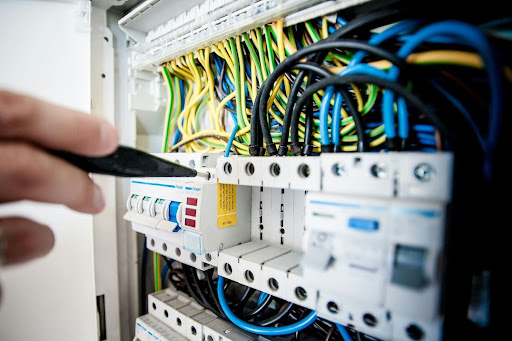
Definition and meaning of energy efficiency
The definition of energy efficiency encompasses several ideas, such as optimising how we use electricity and fuel, smart management, and trying to achieve as much performance as possible by utilising as little power as we can.
Energy efficiency is closely linked to decarbonisation efforts, since it goes hand in hand with the general argument about sustainable practices. Both concepts aim to reduce waste and the carbon emissions connected to it.
How energy efficiency works
Some think that the concept is only applicable to the end user, but it is not true. The meaning of energy efficiency has become a priority for everyone, from residents and businesses to power plants producing the electricity itself. In the context of carbon emissions and global warming, harnessing as much power as possible can include:
- modernised equipment;
- new techniques;
- innovative technology.
Cutting the use of power and reducing environmental impact is an outstanding commitment to sustainability for everyone in the production process.
Examples of energy efficiency in practice
It is essential to understand how to apply efficiency to various steps of power production to properly explain energy efficiency. In households, end users can invest in more effective home devices that use less electricity to reduce consumption.
Industrial establishments can analyze their energy consumption patterns and develop smart power strategies aligned with their operational and sustainability objectives.
Benefits of improving energy efficiency
Power efficiency always results in carbon footprint reduction. It is a global priority for many, and adopting progressive technology and approaches that directly optimise electricity and fuel usage contributes to the collective goal.
As a result, energy efficiency helps mitigate the greenhouse effect, combat climate change, and reduce carbon emissions.
DTEK's engagement in promoting energy efficiency
DTEK demonstrates energy efficiency leadership through multiple initiatives. Our YASNO (a brand name of DTEK Group subsidiary D. Solutions) offers energy-saving solutions to Ukrainian consumers, while smart meter installations help customers optimise consumption during peak hours, reducing grid strain and costs.