
 Back to list
What is Decarbonisation?
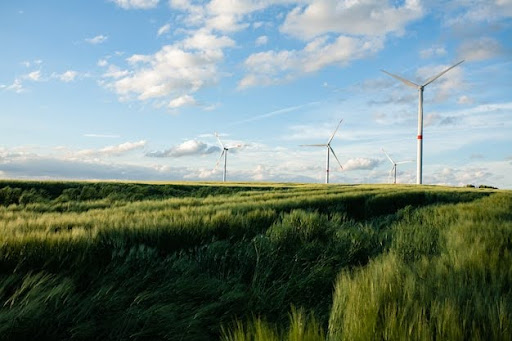
Biofuels, renewable energy, solar panels, wind farms – all these are essential in minimising our carbon emissions. Let’s unpack what decarbonisation is, and how we can contribute to the process.
What is Decarbonisation?: Definition
Decarbonisation is changing the usage of fossil fuels and non-renewables to carbon-free and renewable power. The process is aimed at processes that use coal, oil, and natural gas, and promote minimising greenhouse emissions in major energy sectors. The decarbonisation definition always includes the transition to clean energy and battling climate change.
Development of the Term
In 2015, the majority of nations signed the Paris Climate Agreement, prioritising the goal of limiting the global temperature increase by 2100 to 1.5 °C. Thus, to answer the question “what is decarbonisation?”, it is essential to see how it affects our energy production. The companies that pleaded to the agreement and the terms include:
- Apple;
- Google;
- Microsoft;
- Amazon;
- Tesla;
- Unilever;
- Nestlé;
- IKEA;
- Coca-Cola.
These and more are planning to reach the goal by 2050. As of now, the term is still going through development, as the volume of greenhouse gases is still too much to meet the aim. Thus, the decarbonisation meaning can change as we step closer to the goal.
DTEK’s Contribution to Decarbonisation
DTEK is one of the energy decarbonisation pioneers in Ukraine. It has already started yielding energy from waste at its facilities. DTEK Renewables, its renewable energy division, regularly invests in the country’s solar and wind energy production. In 2023, for instance, it supplied 969 million kWh of electricity, powering about 500,000 homes.
The company continues showing resilience amid the war. The Tyligulska Wind Power Plant went through the first phase of production, with 19 wind turbines in total. The Tryfonivska Solar Power Plant (SPP) also recovered from disruptions during the attacks.
DTEK aims to achieve carbon neutrality and decarbonisation of energy by 2040 by developing its renewable power portfolio. The increase to 33% is in plans, with the carbon dioxide emission reduction by 37%.